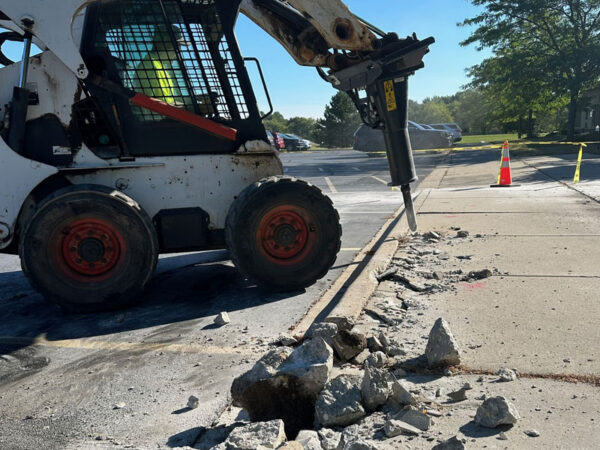
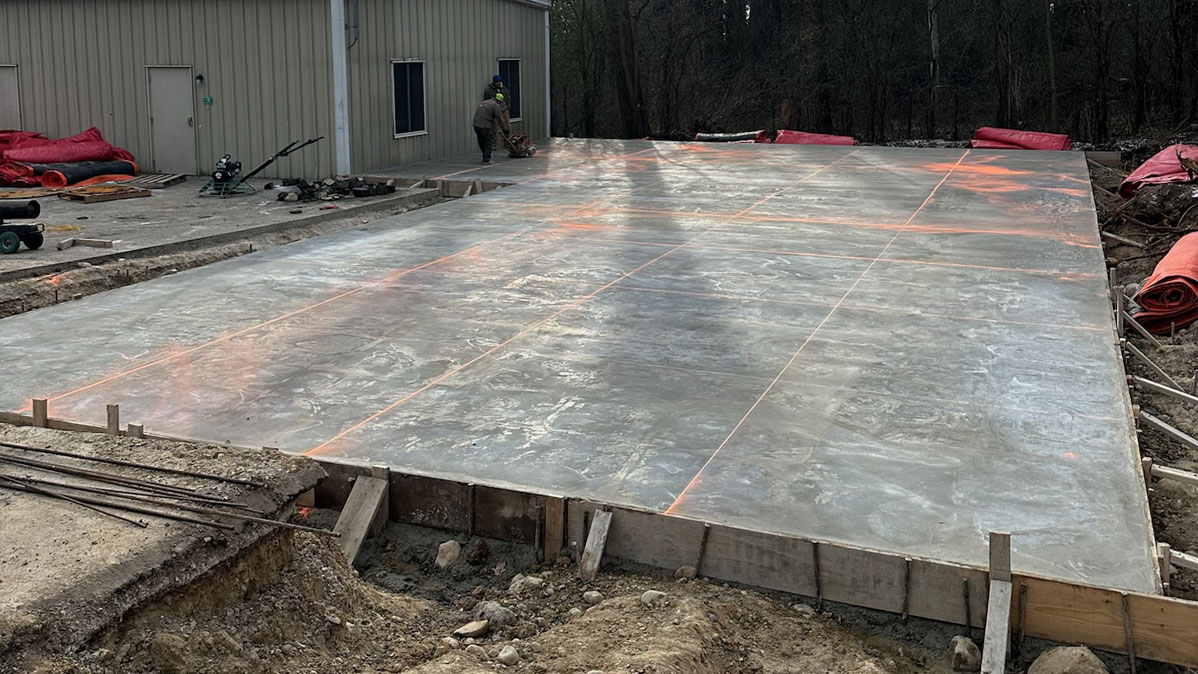
A concrete driveway is a significant investment that contributes to your home's functionality, safety, and…
How to Plan an Exterior Home Improvement Project Step-by-Step
 Planning an exterior home improvement project is an exciting opportunity to enhance your property’s appearance, functionality, and value. Whether you are upgrading your home’s facade, improving outdoor living spaces, or addressing structural repairs, a well-organized plan is essential for achieving successful results.
Many homeowners begin renovation projects with enthusiasm but underestimate the level of preparation required. Without proper planning, projects can quickly face delays, budget overruns, or unsatisfactory outcomes. A structured, step-by-step approach ensures that every aspect of the project is carefully considered, from initial ideas to final execution.
Exterior home improvement involves multiple components, including design, budgeting, contractor selection, and regulatory approvals. Each stage plays a crucial role in determining the overall success of the project. By understanding the process and taking a methodical approach, homeowners can avoid common pitfalls and create a result that meets both their expectations and long-term goals.
Understanding Your Project Goals
The first step in planning any exterior home improvement project is defining your goals. This involves identifying what you want to achieve and why the project is important.
Some homeowners focus on improving curb appeal, while others prioritize functionality or structural upgrades. For example, you may want to enhance your home’s appearance with new siding, create an outdoor living space, or repair damaged areas such as roofing or concrete surfaces.
Clearly defining your objectives helps guide every decision throughout the project. It also ensures that your investment aligns with your needs and lifestyle.
Evaluating the Current Condition of Your Property
Before starting any improvements, it is important to assess the current condition of your home’s exterior.
This includes inspecting key areas such as the roof, walls, foundation, driveway, and outdoor spaces. Identifying existing issues allows you to address them before adding new features.
For instance, repairing cracks, fixing drainage problems, or replacing damaged materials ensures that your improvements are built on a solid foundation.
A thorough evaluation also helps prioritize tasks and allocate resources effectively.
Setting a Realistic Budget
Budgeting is one of the most critical aspects of exterior home improvement planning.
A realistic budget should include all potential costs, such as materials, labor, permits, and unexpected expenses. It is important to research pricing and obtain estimates to understand the financial scope of your project.
Including a contingency fund is highly recommended. Unexpected issues, such as hidden damage or changes in material costs, can arise during the project.
By planning your budget carefully, you can avoid financial stress and ensure that the project progresses smoothly.
Developing a Detailed Renovation Plan
Once your goals and budget are defined, the next step is creating a detailed renovation plan.
This plan should outline the scope of work, timeline, and specific design elements. It serves as a roadmap for the entire project, helping you stay organized and focused.
A well-structured plan also makes it easier to communicate your vision to contractors and ensures that everyone involved understands the project requirements. At Eagle Exterior Contractors, this approach helps streamline the process and achieve the desired results efficiently.
Planning ahead reduces the likelihood of delays and helps maintain consistency throughout the process.
Choosing the Right Materials
Material selection plays a significant role in the durability and appearance of your project.
Exterior materials must be able to withstand environmental conditions such as weather, temperature changes, and wear over time. Choosing high-quality materials ensures long-term performance and reduces maintenance requirements.
It is also important to consider how materials align with your design goals. Colors, textures, and finishes should complement your home’s overall style.
Balancing quality, aesthetics, and cost is key to making the right choices.
Selecting a Reliable Contractor
Choosing the right contractor is one of the most important decisions in the planning process.
A qualified contractor brings expertise, experience, and efficiency to your project. They help ensure that work is completed to a high standard and within the agreed timeline.
When selecting a contractor, it is important to review their credentials, past projects, and customer feedback. Clear communication and transparency are also essential for a successful working relationship.
Taking the time to choose the right professional can significantly impact the outcome of your project.
Understanding Permits and Regulations
Exterior home improvement projects often require permits and must comply with local building regulations.
Permits ensure that the work meets safety and structural standards. Failing to obtain the necessary approvals can result in fines, delays, or complications when selling your property.
It is important to research local requirements and work with your contractor to secure the appropriate permits.
Understanding regulations in advance helps prevent disruptions and ensures that your project proceeds smoothly.
Creating a Project Timeline
A clear timeline helps keep your project on track and ensures that each stage is completed in an organized manner.
The timeline should include key milestones, such as design approval, material delivery, and construction phases. It is also important to account for potential delays due to weather or unforeseen issues.
Having a structured schedule allows you to monitor progress and make adjustments as needed.
Effective time management contributes to a more efficient and stress-free renovation process.
Preparing Your Property for Construction
Before construction begins, certain preparations are necessary to ensure a smooth workflow.
This may include clearing the work area, protecting landscaping, and securing any items that could be affected by construction activities.
Proper preparation minimizes disruptions and helps contractors work efficiently.
It also reduces the risk of damage to existing structures or outdoor features.
Managing the Construction Process
Once construction begins, active management is essential to ensure that the project stays on track.
Regular communication with your contractor helps address any issues quickly and ensures that the work aligns with your expectations.
Monitoring progress and reviewing completed work at each stage allows you to maintain quality control.
Being involved in the process helps prevent misunderstandings and ensures a successful outcome.
Addressing Challenges and Adjustments
Even with careful planning, challenges may arise during the project.
Unexpected issues, such as weather delays or material shortages, can impact progress. Being flexible and prepared to make adjustments is important.
Having a contingency plan and maintaining open communication with your contractor helps resolve problems efficiently.
Adapting to changes ensures that the project continues to move forward.
Maintaining Your Exterior Improvements
After the project is completed, proper maintenance is essential to preserve its value and appearance.
Regular cleaning, inspections, and minor repairs help extend the lifespan of your improvements.
Taking care of your investment ensures that it continues to deliver benefits for years to come.
Benefits of Proper Planning
Planning an exterior home improvement project carefully offers several advantages.
It reduces the risk of unexpected costs, improves efficiency, and ensures a higher quality outcome. Proper planning also enhances communication between homeowners and contractors, leading to a smoother process.
Most importantly, it helps achieve a result that aligns with your vision and adds long-term value to your property.
Conclusion
Exterior home improvement projects require careful planning and attention to detail. By following a step-by-step approach, homeowners can navigate the process with confidence and achieve successful results. Contact us today to discuss your project and get expert guidance for a smooth, successful outcome.
From defining goals and setting a budget to selecting contractors and managing construction, each stage plays a vital role in the overall outcome.
With the right preparation and execution, exterior improvements can transform your home, enhance its functionality, and increase its value.
Frequently Asked Questions
Q1: What is the first step in exterior home improvement planning?
Defining your goals and understanding what you want to achieve.
Q2: How do I set a budget for my project?
Include all costs such as materials, labor, permits, and a contingency fund.
Q3: Do I need permits for exterior renovations?
Yes, many projects require permits to ensure compliance with regulations.
Q4: How do I choose the right contractor?
Look for experience, credentials, and positive customer feedback.
Q5: Why is planning important?
It helps avoid delays, control costs, and achieve better results.
Related Posts