When homeowners think about increasing property value, many focus on kitchens, bathrooms, and interior renovations…
Concrete Driveway Repair vs Replacement: What’s More Cost-Effective
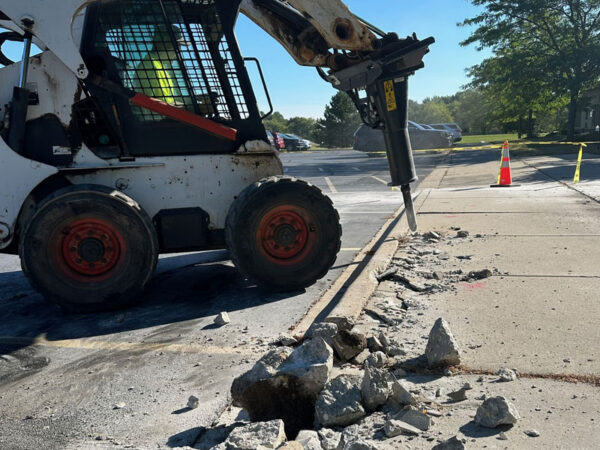 A concrete driveway is a significant investment that contributes to your home’s functionality, safety, and curb appeal. Over time, however, exposure to weather, vehicle traffic, moisture, and natural settling can cause cracks, potholes, surface deterioration, and other forms of damage. When problems begin to appear, homeowners often face an important question: should the driveway be repaired or completely replaced?
The answer depends on several factors, including the extent of the damage, the age of the driveway, long-term maintenance expectations, and available budget. While concrete driveway repair is often the more affordable short-term solution, there are situations where full replacement provides greater value over time.
Understanding the costs, benefits, and limitations of each option can help homeowners make a smart financial decision while protecting their property’s value.
Understanding the Difference Between Repair and Replacement
Before comparing costs, it is important to understand what each option involves. Concrete driveway repair focuses on correcting specific problem areas without replacing the entire structure. Repairs may include crack filling, pothole repair, joint restoration, leveling uneven sections, patching damaged areas, or driveway resurfacing.
Replacement involves removing the existing driveway and installing a completely new concrete surface. This process addresses both visible damage and underlying structural issues that may be contributing to deterioration.
The right choice depends largely on the condition of the driveway and the goals of the homeowner.
When Concrete Driveway Repair Makes Sense
For many homeowners, repair is the most practical and cost-effective solution.
If the damage is limited to isolated cracks, minor surface wear, small potholes, or localized settling, professional repairs can restore functionality and appearance without the expense of a full replacement.
Concrete driveway repair is particularly attractive when the overall structure remains stable and most of the driveway is still in good condition.
Addressing problems early often prevents further deterioration and extends the lifespan of the driveway significantly.
Common Problems That Can Be Repaired
Many driveway issues can be corrected successfully through targeted repairs.
Surface cracks, joint damage, minor spalling, small potholes, and uneven sections caused by soil movement are among the most common repairable conditions.
In some cases, driveway resurfacing can provide a fresh appearance while covering cosmetic imperfections and restoring the surface.
When damage affects only a limited portion of the driveway, repairs typically provide excellent value compared to replacement.
A professional inspection can determine whether repair is a viable option.
The Cost Advantages of Repair
One of the biggest reasons homeowners choose concrete driveway repair is affordability.
Repairs generally require less labor, fewer materials, and shorter project timelines than full replacement. As a result, the upfront investment is often significantly lower.
For homeowners working within a budget, repairing damaged areas allows them to address safety and appearance concerns without committing to a major construction project.
When performed promptly, repairs can delay the need for replacement by many years.
This extended lifespan often improves overall return on investment.
When Replacement Becomes the Better Option
Although repairs are often effective, they are not always the most economical long-term solution.
If a driveway has widespread cracking, extensive surface deterioration, severe settling, poor drainage, or recurring structural issues, repeated repairs may become increasingly expensive.
In these situations, replacement may offer better value by eliminating underlying problems rather than continuously addressing symptoms.
A new driveway provides a fresh start and can significantly improve appearance, durability, and performance.
While replacement requires a larger upfront investment, it may reduce maintenance expenses over time.
Evaluating the Age of the Driveway
The age of the driveway plays an important role in the repair-versus-replacement decision.
Concrete driveways typically last several decades when properly maintained. However, older driveways may develop multiple issues simultaneously as materials naturally age and wear.
If a driveway is approaching the end of its expected lifespan, investing heavily in repairs may not provide the best return.
In contrast, a relatively newer driveway with isolated damage often benefits greatly from repair.
Evaluating age alongside overall condition helps homeowners make more informed decisions.
Driveway Resurfacing as a Middle Ground
For some homeowners, driveway resurfacing offers a compromise between repair and replacement.
Resurfacing involves applying a new layer of material over the existing concrete surface. This process can improve appearance, cover minor imperfections, and extend the driveway’s lifespan.
However, resurfacing is only effective when the underlying structure remains sound.
It cannot correct major structural failures, severe settling, or extensive cracking.
When appropriate, resurfacing often provides a cost-effective way to achieve significant visual improvements without full replacement.
Comparing Long-Term Value
When evaluating cost-effectiveness, homeowners should consider more than just immediate expenses.
A lower-cost repair may seem attractive initially, but repeated maintenance and recurring issues can increase long-term costs. Conversely, replacement may require a larger investment upfront while reducing future repair needs.
The most economical option depends on how long the homeowner plans to remain in the property and the overall condition of the driveway.
Considering total ownership costs often provides a clearer picture than focusing solely on initial pricing.
Impact on Property Value
Driveways contribute significantly to curb appeal and first impressions.
A well-maintained driveway can enhance the overall appearance of a property and improve buyer confidence. Cracks, potholes, and visible deterioration, on the other hand, may negatively affect perceived value.
Concrete repair and replacement can improve curb appeal, but replacement often creates the most dramatic transformation.
Homeowners preparing to sell should evaluate whether a new driveway could provide a stronger return through improved marketability.
In some cases, strategic repairs may be sufficient to achieve the desired result.
Safety Considerations
Safety should always be part of the decision-making process.
Cracks, potholes, uneven surfaces, and deteriorated concrete create tripping hazards and may cause vehicle damage. Addressing these issues promptly protects residents, visitors, and property.
If repairs can eliminate safety concerns effectively, they may provide a practical solution.
However, when structural instability is widespread, replacement may be necessary to restore a safe and durable surface.
Ignoring safety-related damage often leads to more serious problems over time.
Signs That Repair Is the Better Choice
Concrete driveway repair is usually the most cost-effective solution when the damage is limited to specific areas and the overall structure remains stable. Small cracks, minor surface deterioration, and isolated potholes can often be repaired successfully without the need for a full replacement.
Repair is also a practical option for relatively newer driveways that have not experienced significant settling or widespread structural issues. By addressing problems early, homeowners can extend the lifespan of their driveway while avoiding the higher costs associated with replacement.
Signs That Replacement May Be More Cost-Effective
There are situations where replacement becomes the smarter long-term investment. If a driveway has extensive cracking throughout multiple sections, severe settlement issues, poor drainage, or recurring repair needs, continuing to patch individual problems may become increasingly expensive.
Older driveways that have reached the end of their expected lifespan often benefit more from replacement than ongoing repairs. A new driveway provides improved durability, enhanced curb appeal, and reduced maintenance requirements, making it a worthwhile investment for many homeowners.
Working with a Professional Contractor
Choosing between repair and replacement requires a thorough assessment of the driveway’s condition.
An experienced contractor can evaluate structural integrity, identify underlying issues, and provide recommendations based on long-term value rather than short-term convenience.
Professional guidance helps homeowners avoid unnecessary expenses while ensuring the selected solution addresses both current and future needs.
A detailed inspection is often the most important step in the decision-making process.
Final Thoughts
When comparing concrete driveway repair and replacement, there is no one-size-fits-all answer. At Eagle Exterior Contractors, we understand that the most cost-effective solution depends on the extent of the damage, the age of the driveway, safety considerations, and long-term property goals.
For localized issues and structurally sound driveways, professional concrete driveway repair often delivers excellent value while extending service life at a lower cost. However, when damage becomes widespread or recurring, replacement may provide greater long-term savings and performance.
By evaluating both immediate expenses and future maintenance needs, homeowners can make informed decisions that protect their investment and maximize the lifespan of their driveway.
Frequently Asked Questions
Is concrete driveway repair cheaper than replacement?
Yes. Repairs generally cost significantly less upfront than replacing the entire driveway.
When should I repair instead of replace my driveway?
Repair is often appropriate when damage is localized and the overall structure remains in good condition.
What is driveway resurfacing?
Driveway resurfacing involves applying a new surface layer over existing concrete to improve appearance and extend lifespan.
How do I know if my driveway needs replacement?
Widespread cracking, severe settling, recurring repairs, and extensive structural damage often indicate replacement may be necessary.
Can driveway repairs increase property value?
Yes. Repairing visible damage improves curb appeal, safety, and overall property presentation.
Related Posts