A concrete driveway is a significant investment that contributes to your home's functionality, safety, and…
Concrete Driveway Repair: Signs Your Driveway Needs Immediate Attention
 Your driveway is one of the hardest-working surfaces on your property. Every day, it supports the weight of vehicles, withstands changing weather conditions, and contributes significantly to your home’s curb appeal. Because it experiences constant wear and tear, even a well-constructed concrete driveway can develop problems over time.
Many homeowners ignore small driveway issues, assuming they are purely cosmetic. However, minor damage can quickly turn into larger structural problems that are more expensive to repair. Cracks, potholes, uneven surfaces, and drainage issues often worsen when left untreated, potentially leading to safety hazards and costly replacement projects.
Understanding the early warning signs can help you schedule concrete driveway repair before the damage becomes severe. Taking action quickly not only protects your investment but also extends the lifespan of your driveway.
Why Driveway Maintenance Matters
A concrete driveway is a long-term investment. With proper maintenance and timely repairs, it can last for decades while maintaining its appearance and functionality.
Neglecting maintenance allows water infiltration, freeze-thaw damage, soil movement, and vehicle stress to accelerate deterioration. What starts as a small crack can eventually lead to widespread surface failure or structural instability.
Regular inspections and prompt repairs help homeowners avoid larger expenses while preserving the safety and value of their property.
Cracks Are Becoming Larger and More Noticeable
Small hairline cracks are relatively common in concrete surfaces. However, when cracks begin to widen, deepen, or spread across multiple sections of the driveway, they often indicate a more serious problem.
Larger cracks allow water to penetrate beneath the surface. This moisture can weaken the underlying base material and contribute to shifting, settling, and additional cracking.
If cracks continue growing over time or multiple cracks begin connecting together, professional concrete driveway repair should be considered as soon as possible.
Addressing cracks early is usually far less expensive than repairing extensive structural damage later.
Potholes Are Starting to Form
Potholes are one of the clearest signs that a driveway requires immediate attention.
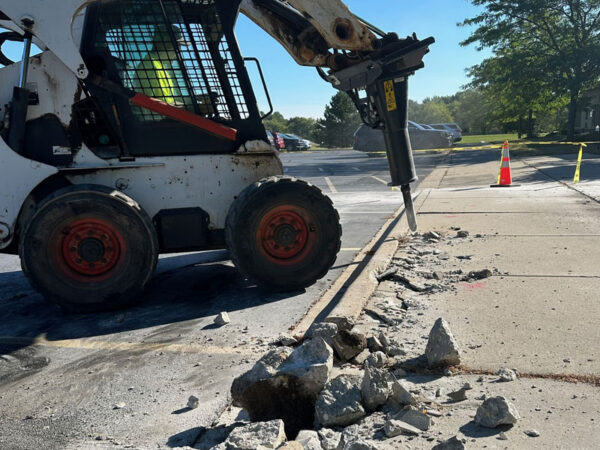
Potholes develop when water enters cracks, weakens the base material, and causes sections of concrete to break apart under vehicle pressure. Once a pothole forms, it tends to grow larger with each rainfall and freeze-thaw cycle.
Beyond being unsightly, potholes can damage vehicle tires, suspension systems, and create tripping hazards for pedestrians.
Prompt repair helps prevent further deterioration and restores the safety of the driveway surface.
Uneven or Sunken Sections
A driveway should provide a smooth and stable surface. If certain areas appear lower than others, the underlying soil may be shifting or settling. Sunken sections often occur due to poor drainage, soil erosion, inadequate compaction, or changes in moisture levels beneath the concrete.
Uneven surfaces create safety hazards and can place additional stress on surrounding sections of the driveway.
Early intervention can often correct localized settling before it affects larger portions of the structure.
Water Pooling on the Driveway
Proper drainage is essential for maintaining concrete surfaces. When water begins collecting in certain areas after rainfall, it may indicate grading problems, surface depressions, or structural settlement. Standing water accelerates deterioration by increasing moisture exposure and encouraging crack formation.
Over time, poor drainage can weaken the driveway’s foundation and contribute to more extensive damage. If water consistently pools in the same locations, professional evaluation is recommended.
Surface Flaking and Scaling
Flaking and scaling occur when the top layer of concrete begins to peel, chip, or break away.
This type of damage is often caused by weather exposure, moisture infiltration, freeze-thaw cycles, or the use of deicing chemicals. While scaling may initially appear cosmetic, it often signals that the surface is becoming more vulnerable to further deterioration.
Repairing damaged areas promptly helps preserve the integrity of the driveway and improves its appearance.
Ignoring surface damage often leads to more extensive repairs in the future.
Widening Expansion Joints
Expansion joints are designed to allow concrete to expand and contract naturally with temperature changes.
However, when joints begin widening excessively or showing signs of deterioration, they may allow water and debris to penetrate beneath the driveway.
Compromised joints can contribute to soil erosion and structural instability over time. Regular maintenance and repair of expansion joints help prevent larger problems from developing.
Multiple Areas of Surface Damage
One isolated crack may not be cause for immediate concern, but widespread damage across the driveway often indicates a larger issue.
When multiple sections show signs of cracking, chipping, settlement, or deterioration, the underlying structure may be experiencing significant stress.
Comprehensive concrete driveway repair can address these issues before they spread further and require more extensive reconstruction.
A professional assessment can determine whether localized repairs or broader restoration work is needed.
Driveway Edges Are Crumbling
The edges of a driveway are particularly vulnerable to damage. Heavy vehicle traffic near the edges, poor drainage, and soil erosion can cause sections to crumble or break away. Damaged edges not only affect appearance but also reduce the structural support of the driveway.
Once edge deterioration begins, surrounding concrete may become increasingly susceptible to cracking and failure. At Eagle Exterior Contractors, timely repairs help preserve both functionality and curb appeal.
Increased Safety Concerns
Damaged driveways create hazards for both vehicles and pedestrians. Cracks, potholes, uneven surfaces, and loose concrete can increase the risk of trips, falls, and vehicle damage. For families with children, elderly residents, or frequent visitors, maintaining a safe driveway is especially important.
If the condition of the driveway creates noticeable safety concerns, repairs should not be delayed. Addressing hazards promptly can help prevent accidents and potential liability issues.
Reduced Curb Appeal
Your driveway is one of the first things visitors notice about your property.
A cracked, stained, or deteriorating driveway can negatively impact curb appeal and make the entire home appear less maintained. This becomes particularly important for homeowners considering selling their property.
Professional concrete driveway repair can significantly improve the appearance of a home while enhancing perceived value.
Investing in repairs often provides both aesthetic and practical benefits.
Weather Damage Is Accelerating
Extreme weather conditions can significantly affect concrete surfaces.
Heavy rainfall, freezing temperatures, snow, ice, and intense heat all contribute to wear and tear. If driveway damage appears to worsen after seasonal weather changes, it may indicate underlying vulnerabilities that require professional attention.
Repairing weather-related damage early helps prevent recurring problems and extends the life of the driveway.
A proactive approach often reduces long-term maintenance costs.
Why Professional Concrete Driveway Repair Matters
While some minor issues may appear suitable for DIY fixes, professional repairs often provide more durable and reliable results.
Experienced contractors can identify the underlying causes of damage rather than simply addressing visible symptoms. They also have access to specialized materials and repair methods designed to restore structural integrity and improve longevity.
Professional repairs help ensure that cracks, potholes, drainage problems, and settlement issues are corrected properly.
This approach protects your investment and reduces the likelihood of recurring damage.
Preventing Costly Replacement
One of the biggest benefits of early concrete driveway repair is avoiding complete replacement.
Replacing an entire driveway is significantly more expensive than repairing isolated damage. By addressing problems promptly, homeowners can extend the lifespan of their existing driveway and delay the need for major reconstruction.
Routine maintenance and timely repairs often provide substantial long-term savings.
The sooner issues are identified, the more repair options are typically available.
Final Thoughts
Your driveway plays an important role in both the functionality and appearance of your home. While minor cracks and surface wear may seem insignificant at first, they can quickly develop into larger problems that affect safety, drainage, and structural stability.
Signs such as widening cracks, potholes, pooling water, uneven surfaces, scaling, and crumbling edges should never be ignored. Scheduling professional concrete driveway repair at the first sign of trouble can prevent further damage, improve curb appeal, and save money over the long term. Contact us today to schedule an inspection and discover the best concrete driveway repair solutions for your property.
Regular inspections and prompt maintenance help ensure that your driveway remains safe, durable, and attractive for years to come.
Frequently Asked Questions
What are the most common signs that a driveway needs repair?
Cracks, potholes, uneven surfaces, pooling water, scaling, and crumbling edges are common indicators.
Are small driveway cracks a serious problem?
Small cracks can become serious if they allow water to penetrate and cause further deterioration.
What causes potholes in concrete driveways?
Potholes often result from water infiltration, soil erosion, freeze-thaw cycles, and repeated vehicle traffic.
Can poor drainage damage a driveway?
Yes. Standing water can weaken the driveway foundation and accelerate cracking and surface deterioration.
How often should a driveway be inspected?
Homeowners should inspect their driveways at least once or twice a year and after severe weather events.
Related Posts