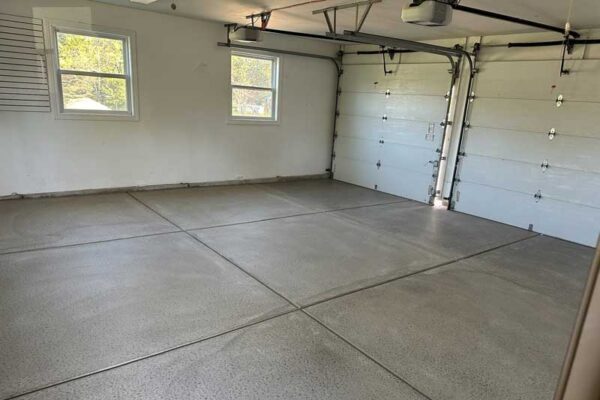
Curious about how long does a concrete garage floor take to cure? Learn the key stages from initial set to full strength and factors that affect drying t...
What Factors Affect The Cost Of A Block Retaining Wall?
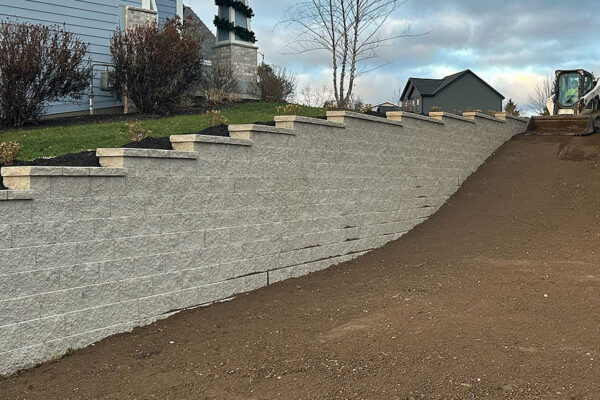 Understanding what factors affect the cost of a block retaining wall is the first step toward planning a successful and budget-friendly landscaping project. While these structures offer crucial support for sloped yards and create beautiful, usable space, their price can vary significantly. Consequently, homeowners often wonder what drives the final quote from a contractor. The total cost is not just about the blocks themselves; it’s a combination of materials, labor, site conditions, and design complexity. This guide breaks down each element so you can approach your project with confidence.
The Core Components of Retaining Wall Pricing
At a high level, the cost of any retaining wall project can be divided into three main categories: materials, labor, and site preparation. Importantly, the balance between these components shifts based on the project’s scale and complexity. For example, a simple, short wall might have a higher percentage of its cost in materials, whereas a tall, engineered wall on a difficult slope will see labor and design costs rise substantially.
Material Selection: The Foundation of Your Budget
The most visible cost factor is the type of block you choose. However, the blocks are just one piece of the material puzzle. A sturdy, long-lasting wall requires several other components that work together. For instance, proper drainage materials are essential to prevent hydrostatic pressure from damaging the wall over time. Similarly, reinforcement grids may be necessary for taller structures.
Here are some common materials involved:
- Concrete Blocks: These are the most common choice, available in a wide range of styles, colors, and sizes. Basic, utilitarian blocks are the most affordable, while decorative, textured blocks that mimic natural stone will be at the higher end of the price spectrum.
- Gravel and Crushed Stone: This is used for the wall’s footing and as backfill to ensure proper drainage behind the wall. The amount needed directly corresponds to the wall’s dimensions.
- Drainage Pipes: A perforated pipe is typically installed at the base of the wall to channel water away safely, which is crucial for longevity.
- Geogrid Reinforcement: For walls over a few feet tall, this synthetic mesh is layered between courses of blocks and extends into the soil behind, adding significant strength and stability.
How Do Wall Dimensions Impact the Final Price?
It seems obvious that a larger wall will cost more, but the relationship isn’t always linear. Specifically, the wall’s height is a more significant cost driver than its length. As a wall gets taller, the forces it must restrain increase exponentially. Therefore, taller walls require deeper excavation, more robust reinforcement, and often, professional engineering.
Height, Engineering, and Permit Requirements
Most local building codes require a licensed engineer to design and approve retaining walls over a certain height, typically around four feet. This is a critical safety measure. An engineered plan adds an upfront cost but ensures the wall is built to withstand the specific pressures of your site. Furthermore, obtaining a building permit involves fees and inspections, which also contribute to the total project cost. For this reason, it’s wise to consult an expert to ensure all local regulations are met. Authoritative sources like the Federal Emergency Management Agency (FEMA) provide guides on the importance of proper wall design for safety and stability.
Understanding What Factors Affect the Cost of a Block Retaining Wall Beyond Materials
While blocks and backfill are tangible costs, several intangible elements can heavily influence your project’s budget. These factors often relate to the unique conditions of your property and the labor required to overcome them. In fact, labor can account for 50-70% of the total cost, especially for complex installations. When you determine if you need a retaining wall, considering these aspects is essential for accurate budgeting.
Site Accessibility and Preparation
The condition of the job site plays a massive role. A flat, open area with easy access for machinery will result in lower labor costs. In contrast, a steep, narrow, or hard-to-reach backyard may require manual excavation and material transport, significantly increasing labor hours. Moreover, the existing soil type matters; rocky or unstable soil can complicate the excavation and foundation-setting process, adding time and expense. Extensive grading or the removal of existing structures will also be factored into the final price.
Labor Rates and Contractor Expertise
Labor costs vary by region and the experience of the contractor. While it might be tempting to choose the lowest bidder, an experienced team that specializes in retaining walls can often build a more durable and aesthetically pleasing structure more efficiently. A professional contractor understands the nuances of proper construction, from creating a level base to ensuring adequate drainage. This expertise helps prevent costly failures down the road, making it a worthwhile investment. When comparing block walls to other materials, the specialized labor for block installation is a key consideration.
Additional Features and Design Complexity
A simple, straight block retaining wall is the most cost-effective design. As you add complexity and custom features, the price will naturally increase. These enhancements can dramatically improve the wall’s functionality and appearance but require additional materials and skilled labor.
Consider these potential add-ons:
- Wall Caps or Coping: These flat stones are placed on top of the wall to provide a clean, finished look. They are highly recommended for aesthetics and to protect the wall’s core from water infiltration.
- Curves and Corners: Building a curved wall requires more precise cuts and fitting for each block, which is more time-consuming than building a straight wall.
- Stairs and Tiers: Integrating steps into a retaining wall or creating a multi-level terraced design adds significant complexity and cost but can also create stunning, highly functional landscapes.
- Integrated Lighting or Seating: Adding features like built-in lighting for ambiance or a cap wide enough to serve as a bench are popular upgrades that will be factored into the project’s scope.
Final Thoughts: Creating a Realistic Budget
Ultimately, creating a realistic budget requires a clear understanding of your project’s scope and priorities. By considering the key elements—materials, wall dimensions, site conditions, and design complexity—you can have a more informed conversation with potential contractors. Remember that a well-built retaining wall is a long-term investment in your property’s safety, usability, and value. For a final analysis of what factors affect the cost of a block retaining wall on your specific property, the best course of action is to get detailed quotes from several qualified professionals. This allows you to compare not just the price, but also the proposed construction methods and materials. A thorough quote is a sign of a thorough contractor. Ready to start your project? Contact us today for a professional consultation and detailed estimate.
Related Posts