Deciding between pavers and stamped concrete? This guide answers: Are pavers better than stamped concrete? We compare cost, durability, and style. Get a...
When Do You Need a Retaining Wall in Your Yard?
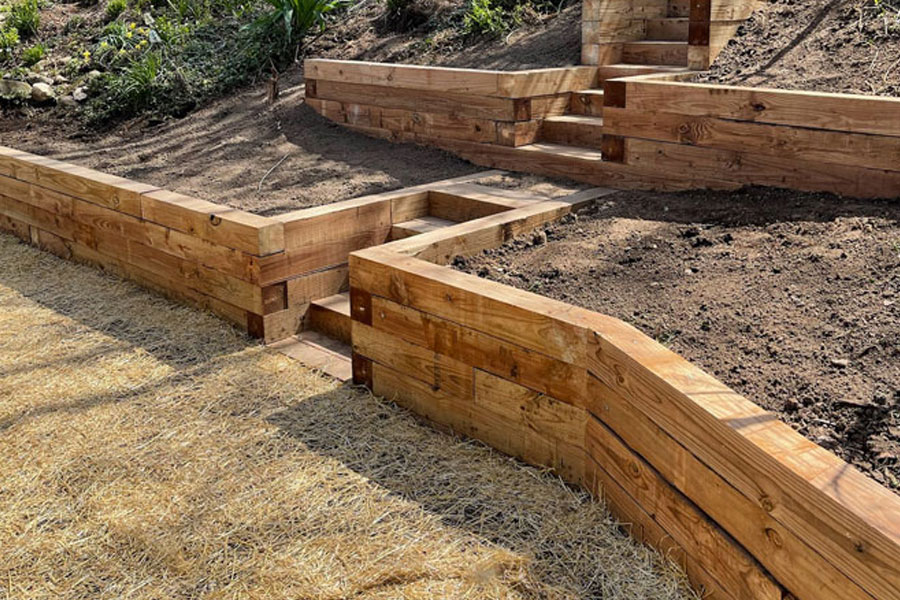 A beautiful yard is more than just a well-maintained lawn and attractive landscaping. The layout of your property, the slope of the land, drainage patterns, and soil stability all play an important role in keeping your outdoor space safe, functional, and visually appealing. For many property owners, a retaining wall installation is one of the most effective ways to solve landscaping challenges while improving the overall appearance of their yard.
Although retaining walls are often viewed as decorative landscape features, they serve a much more important purpose. They help hold back soil, prevent erosion, improve drainage, and create usable outdoor spaces on sloped properties. Whether you are dealing with a steep hillside, recurring soil movement, or poor drainage, a properly designed retaining wall can provide a long-lasting solution.
Understanding when a retaining wall is necessary can help you protect your property, reduce future maintenance, and make the most of your outdoor space.
What Is a Retaining Wall?
A retaining wall is a specially engineered structure designed to hold back soil that would otherwise shift or erode due to gravity. Unlike decorative garden borders, retaining walls are built to withstand significant pressure from the soil behind them.
These walls are commonly constructed using poured concrete, concrete blocks, natural stone, brick, or other durable materials capable of supporting heavy loads. The choice of material depends on the height of the wall, the property’s landscape, drainage requirements, and the desired appearance.
When installed correctly, retaining walls become an important part of a property’s landscape design while providing structural support that helps protect both the yard and nearby structures.
Sloped Yards Often Need Retaining Walls
One of the most common reasons homeowners invest in retaining wall installation is to manage sloped terrain. A steep yard may look attractive, but it can create several practical challenges. Slopes make mowing more difficult, reduce usable outdoor space, increase erosion, and often cause rainwater to flow rapidly downhill. Over time, this runoff can wash away soil, damage landscaping, and expose tree roots.
Installing a retaining wall helps stabilize the slope by holding soil in place and creating level areas that can be used for patios, gardens, walkways, or recreational space. Instead of allowing the hillside to remain difficult to maintain, homeowners can transform uneven terrain into attractive and functional outdoor living areas.
Soil Erosion Is a Warning Sign
Erosion is one of the clearest indicators that a retaining wall may be necessary. Heavy rain, melting snow, and poor drainage gradually carry soil away from sloped areas. If left unaddressed, erosion can damage landscaping, expose plant roots, create uneven ground, and even threaten nearby structures.
An erosion control wall helps prevent this ongoing soil movement by providing physical support that keeps the ground stable. Rather than allowing water to continuously remove soil, the wall holds the earth securely while directing water through properly designed drainage systems. Addressing erosion early often prevents more expensive landscape repairs in the future.
Poor Drainage Can Damage Your Property
Water management plays an important role in maintaining a healthy landscape. Properties with drainage problems often experience standing water, saturated soil, and excessive runoff after heavy rainfall. Over time, these issues may weaken the soil and contribute to erosion, foundation concerns, and landscape damage.
Many retaining walls include built-in drainage systems that allow water to move safely away from the structure instead of building pressure behind the wall. Proper drainage helps protect both the retaining wall and the surrounding property while reducing the risk of future water-related damage. A professional evaluation ensures drainage is properly incorporated into the overall wall design.
Retaining Walls Create More Usable Outdoor Space
Many homeowners choose landscape walls because they allow them to make better use of their property. Sloped yards often contain large areas that are difficult to enjoy because of uneven ground. By creating level terraces, retaining walls expand the amount of usable outdoor space available for landscaping and recreation.
A level area created by a retaining wall can accommodate patios, outdoor kitchens, fire pits, seating areas, gardens, playgrounds, or additional lawn space. Instead of being limited by the property’s natural slope, homeowners gain greater flexibility when planning outdoor improvements. This added functionality often increases both enjoyment and the overall value of the property.
Retaining Walls Help Protect Your Home
In some situations, retaining walls provide protection for nearby structures. When soil begins shifting toward a home’s foundation, driveway, sidewalk, or other structures, the movement can eventually lead to costly damage. A properly designed retaining wall stabilizes the surrounding soil and reduces the likelihood of continued movement.
Although every property is different, retaining walls are frequently used to support areas near foundations, garages, detached buildings, swimming pools, and outdoor living spaces where soil stability is essential. At Eagle Exterior Contractors, we design and build retaining walls that help protect these structures before serious damage occurs, which is often far more affordable than repairing foundation or landscape problems later.
They Improve the Appearance of Your Landscape
While retaining walls serve an important structural purpose, they also enhance the appearance of outdoor spaces. Modern retaining wall materials are available in numerous colors, textures, and styles that complement a wide variety of landscape designs. Whether your home has a contemporary appearance or a more traditional aesthetic, retaining walls can be designed to blend naturally with the surrounding environment.
They also create opportunities for layered landscaping, decorative planting beds, lighting features, and attractive garden terraces that add depth and visual interest to the yard. Rather than simply solving drainage or erosion problems, retaining walls become attractive landscape features that improve curb appeal.
Signs You May Need a Retaining Wall
Many property owners are unsure whether their yard actually requires a retaining wall. In many cases, the warning signs develop gradually over time.
If your property experiences recurring soil erosion after heavy rain, contains steep slopes that are difficult to maintain, develops standing water near landscaped areas, or shows evidence of shifting soil, a retaining wall may provide an effective long-term solution.
Homeowners may also benefit from a retaining wall when planning major landscaping projects that involve changing the elevation of the yard or creating additional outdoor living space.
Having the property evaluated by an experienced contractor can determine whether a retaining wall is the most appropriate solution.
Professional Retaining Wall Installation Matters
Proper retaining wall installation involves much more than stacking blocks or pouring concrete. Every retaining wall must be designed to withstand the pressure created by the soil behind it. Contractors carefully evaluate soil conditions, slope angle, drainage patterns, wall height, and local building requirements before construction begins.
The foundation beneath the wall must be properly prepared to prevent settling, while drainage systems help relieve water pressure that could otherwise cause the wall to fail over time. Professional installation ensures the wall performs safely and effectively for many years while reducing the likelihood of expensive future repairs.
Choosing the Right Material
Retaining walls can be built using several different materials, each offering unique benefits depending on the property’s needs.
Concrete block retaining walls remain one of the most popular choices because they combine durability with attractive appearance and design flexibility. Poured concrete provides exceptional strength for larger structural applications, while natural stone offers a timeless appearance that blends beautifully into many landscapes.
The ideal material depends on factors such as wall height, drainage requirements, soil conditions, budget, and the overall landscape design. An experienced contractor can recommend the most suitable option based on your property’s specific requirements.
Long-Term Benefits of Retaining Walls
A professionally installed retaining wall provides value long after construction is complete. By stabilizing soil, improving drainage, reducing erosion, and expanding usable outdoor space, retaining walls help homeowners protect their investment while improving the functionality of their property.
Many homeowners also appreciate the reduced landscape maintenance that comes with better soil stability. Gardens remain healthier, lawns become easier to maintain, and outdoor spaces remain more attractive throughout the year.
Because retaining walls combine structural performance with aesthetic appeal, they often become one of the most valuable landscape improvements a homeowner can make.
Conclusion
A retaining wall installation is often the ideal solution for properties experiencing soil erosion, drainage issues, steep slopes, or limited usable outdoor space. More than simply decorative features, retaining walls provide critical structural support that protects landscapes while improving safety, functionality, and appearance.
Whether you need an erosion control wall to stabilize a hillside or attractive landscape walls to create beautiful outdoor living areas, investing in professional installation helps ensure long-lasting performance. By addressing landscape challenges before they become major problems, homeowners can protect their property, increase usable space, and enjoy a more functional and attractive yard for years to come. Contact us today to schedule a consultation and learn how our professional retaining wall installation services can help protect and enhance your property.
Frequently Asked Questions
When do I need a retaining wall in my yard?
You may need a retaining wall if your property has steep slopes, recurring soil erosion, poor drainage, shifting ground, or limited usable outdoor space due to changes in elevation.
What does a retaining wall do?
A retaining wall holds back soil, prevents erosion, improves drainage, stabilizes sloped landscapes, and creates level areas for landscaping or outdoor living.
Can a retaining wall help stop erosion?
Yes. An erosion control wall helps keep soil in place by preventing runoff from washing it away during heavy rain or snowmelt.
How long does a retaining wall last?
A professionally installed retaining wall built with quality materials can last for several decades, depending on the material used, drainage, soil conditions, and ongoing maintenance.
Why should I hire a professional for retaining wall installation?
Professional contractors ensure proper design, drainage, foundation preparation, and construction techniques, helping the retaining wall remain safe, stable, and durable for many years.
Related Posts