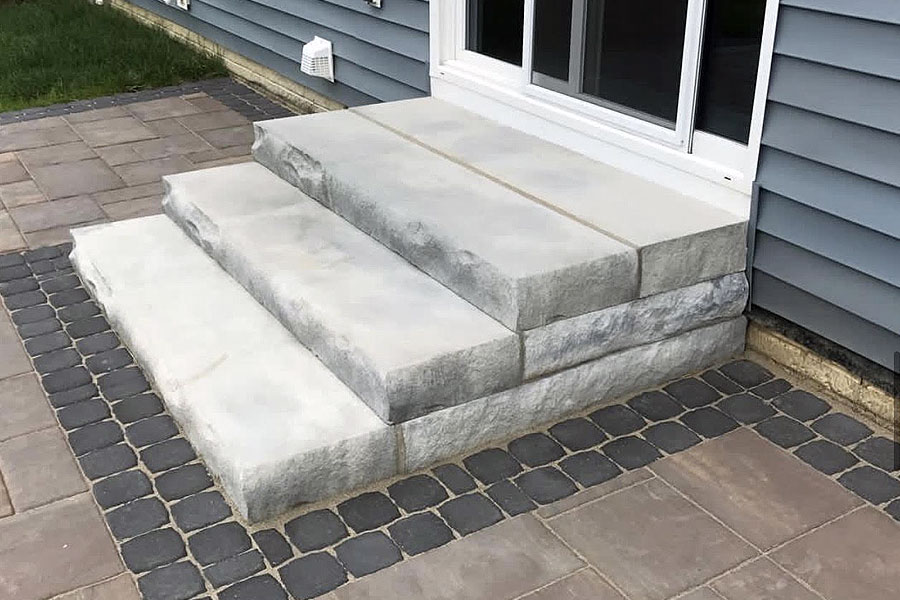
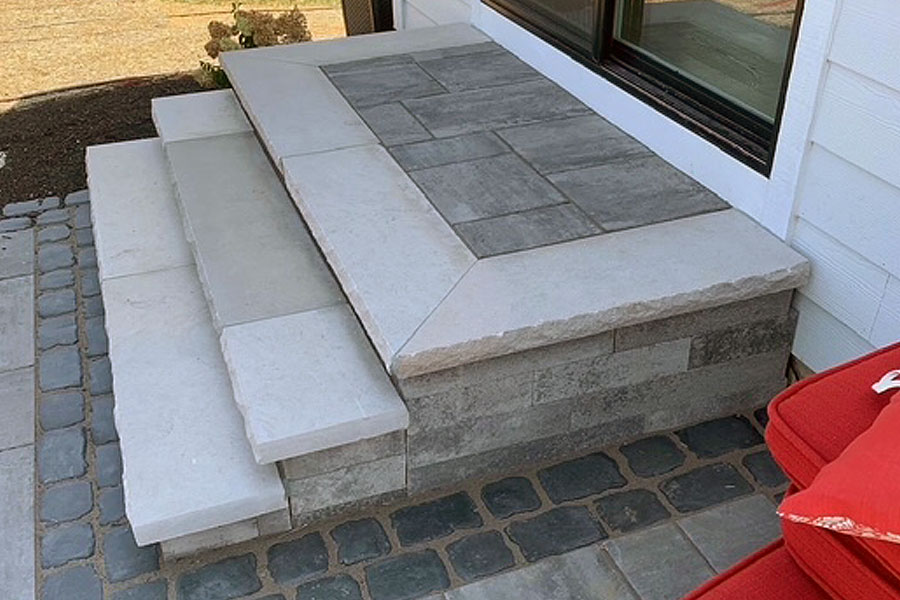
Deciding between pavers and stamped concrete? This guide answers: Are pavers better than stamped concrete? We compare cost, durability, and style. Get a...
Timber vs Block Retaining Walls: Which Lasts Longer in Wisconsin?
 Retaining walls are an essential feature for many Wisconsin properties, helping to manage sloped landscapes, prevent soil erosion, improve drainage, and create usable outdoor spaces. Whether you’re planning a residential landscaping project or upgrading a commercial property, selecting the right retaining wall material is one of the most important decisions you’ll make.
Among the most popular options are timber retaining wall systems and concrete block retaining walls. Each offers unique benefits in terms of appearance, installation, maintenance, and cost. However, Wisconsin’s harsh climate presents additional challenges that homeowners should consider before choosing a material. Freezing temperatures, heavy snowfall, spring thaw, and frequent moisture exposure can significantly affect the lifespan of a retaining wall.
If you’re wondering whether a timber or block retaining wall is the better long-term investment, this guide compares both materials to help you make an informed decision.
Why Retaining Wall Material Matters
A retaining wall does much more than hold back soil. It must withstand continuous pressure from the surrounding earth while resisting moisture, freeze-thaw cycles, and changing weather conditions. Choosing the wrong material can lead to premature deterioration, structural problems, and expensive repairs.
The ideal retaining wall should combine strength, durability, attractive appearance, and reasonable maintenance requirements while complementing your property’s landscape.
Understanding Timber Retaining Walls
A timber retaining wall is constructed using pressure-treated wood designed to resist decay, insects, and moisture. Timber has been used in landscaping for decades because it offers a natural appearance that blends beautifully with gardens, trees, and outdoor living spaces.
Modern pressure-treated lumber is considerably more durable than untreated wood, making it a practical solution for many residential landscaping projects.
Timber retaining walls are especially popular for garden terraces, decorative landscape borders, raised planting beds, and smaller retaining applications where a warm, natural aesthetic is desired.
Understanding Block Retaining Walls
Concrete block retaining walls are built using engineered interlocking blocks or segmental retaining wall systems. These blocks are specifically designed to support heavy soil loads while providing excellent structural stability.
Unlike wood, concrete blocks do not rot or attract insects. They also require very little maintenance throughout their lifespan, making them one of the most durable retaining wall materials available today.
Block retaining walls are commonly used for larger slopes, commercial developments, drainage improvements, and long-term landscape projects.
How Wisconsin’s Climate Affects Retaining Walls
Wisconsin experiences weather conditions that can be particularly demanding on outdoor structures. Winters bring prolonged freezing temperatures, while spring introduces melting snow and increased soil moisture. These seasonal changes cause the ground to expand and contract repeatedly, placing stress on retaining walls.
Heavy rainfall can also increase hydrostatic pressure behind the wall if drainage is inadequate. Over time, moisture infiltration, frost heave, and soil movement can shorten the lifespan of poorly designed retaining walls regardless of the material used.
For this reason, professional installation and proper drainage are just as important as selecting the right material.
Durability Comparison
When it comes to overall longevity, concrete block retaining walls generally outperform timber.
A properly installed block retaining wall can last 50 years or more with minimal maintenance. Concrete is naturally resistant to moisture, insect damage, and rot, making it particularly well suited to Wisconsin’s changing weather conditions.
A wood retaining wall, even when constructed with pressure-treated lumber, typically lasts between 15 and 25 years depending on drainage, soil conditions, maintenance, and exposure to moisture. Continuous contact with damp soil eventually causes wood to deteriorate, even when treated for outdoor use.
For homeowners seeking maximum lifespan, block retaining walls provide the stronger long-term investment.
Appearance and Design Flexibility
Appearance is often one of the biggest reasons homeowners choose timber. A timber retaining wall offers a warm, natural look that complements wooded landscapes, cottage-style homes, and traditional gardens. Wood blends seamlessly with surrounding plants and creates a softer appearance than concrete.
Concrete blocks, however, have evolved significantly over the years. At Eagle Exterior Contractors, we offer modern concrete block solutions available in a wide range of colours, textures, and finishes that closely resemble natural stone. This allows homeowners to achieve either a contemporary or traditional landscape design while maintaining superior durability.
The best choice depends largely on your property’s architectural style and personal preferences.
Installation Process
Timber retaining walls are generally quicker and less expensive to install for smaller projects. The materials are lightweight and easier to cut, allowing contractors to complete many residential installations efficiently.
Concrete block retaining walls require more preparation. Contractors must excavate, compact the base, install proper drainage, and carefully position each block to ensure structural stability.
Although installation takes longer, the additional preparation contributes significantly to the wall’s long-term performance.
Maintenance Requirements
Maintenance is another important consideration. A wood retaining wall benefits from periodic inspections to identify signs of moisture damage, insect activity, or wood deterioration. Depending on the product used, protective treatments or sealers may also help extend its lifespan.
Concrete block retaining walls require very little ongoing maintenance. Occasional cleaning and inspections for drainage performance are usually sufficient. Since concrete does not rot, maintenance costs are generally much lower over time.
Cost Comparison
Initial installation costs often make timber an attractive option. Because lumber is generally less expensive than engineered concrete blocks, homeowners working with limited budgets may find timber retaining walls more affordable upfront.
However, long-term ownership costs tell a different story. Wood may require repairs or eventual replacement decades earlier than concrete. Concrete block retaining walls typically involve higher initial costs but lower maintenance expenses and significantly longer service life.
For many homeowners, the greater durability offsets the higher installation investment.
Structural Strength
For taller retaining walls or areas experiencing substantial soil pressure, block retaining walls offer superior structural performance.
Engineered block systems are specifically designed to resist lateral soil loads and can often be reinforced for additional strength when necessary.
Timber retaining walls perform well for smaller landscape applications but may not be the ideal choice for large commercial installations or steep slopes requiring significant structural support.
Environmental Considerations
Many homeowners also consider environmental impact when selecting building materials.
Pressure-treated lumber has become more environmentally responsible than older treatment methods, and wood remains a renewable resource when sourced responsibly.
Concrete, while extremely durable, requires more energy during manufacturing. However, its exceptionally long lifespan reduces the frequency of replacement, which may offset some environmental impacts over time.
Choosing locally sourced materials and professional installation helps improve sustainability regardless of the material selected.
Which Option Is Better for Wisconsin Homes?
If you prefer a natural appearance, have a smaller landscaping project, and are comfortable performing occasional maintenance, a timber retaining wall can provide an attractive and cost-effective solution.
If your primary goal is maximum durability, minimal maintenance, and long-term value, a concrete block retaining wall is generally the better investment. Its resistance to moisture, freeze-thaw damage, and structural deterioration makes it especially well suited for Wisconsin’s demanding climate.
Many homeowners also choose to combine both materials by using timber in decorative garden areas while reserving concrete block walls for larger structural applications.
The Importance of Professional Installation
Regardless of the material you choose, proper installation is critical to long-term performance.
A professionally installed retaining wall includes proper excavation, compacted base material, drainage systems, and appropriate reinforcement where required. Without adequate drainage, even the strongest retaining wall can fail prematurely due to hydrostatic pressure and frost movement.
Working with experienced retaining wall contractors ensures your investment performs reliably for many years.
Conclusion
Both timber and concrete block retaining walls offer valuable benefits, but their long-term performance differs significantly. A timber retaining wall provides natural beauty, lower initial costs, and a timeless appearance that complements many residential landscapes. However, its lifespan is generally shorter due to Wisconsin’s moisture and freeze-thaw conditions.
Concrete block retaining walls require a larger upfront investment but deliver exceptional durability, minimal maintenance, and outstanding structural strength. For homeowners seeking the longest-lasting solution, block retaining walls often provide the greatest long-term value. Contact us today to discuss your retaining wall project and let our team help you choose the best solution for your property, budget, and long-term landscaping goals.
Before making a final decision, consider your property’s landscape, budget, design preferences, and future maintenance expectations. Consulting an experienced contractor can help determine which retaining wall material best suits your specific project.
Frequently Asked Questions
How long does a timber retaining wall last?
A professionally installed pressure-treated timber retaining wall typically lasts between 15 and 25 years, depending on drainage, maintenance, and local soil conditions.
Do concrete block retaining walls last longer than wood?
Yes. Concrete block retaining walls commonly last 50 years or more with proper installation and minimal maintenance.
Is a wood retaining wall suitable for Wisconsin weather?
Yes, but it requires proper drainage and regular maintenance to withstand Wisconsin’s moisture, snow, and freeze-thaw cycles.
Which retaining wall material requires less maintenance?
Concrete block retaining walls generally require much less maintenance because they resist rot, insects, and moisture damage.
Which retaining wall is more affordable?
Timber retaining walls usually have lower upfront installation costs, while concrete block retaining walls often provide better long-term value due to their longer lifespan and reduced maintenance needs.
Related Posts