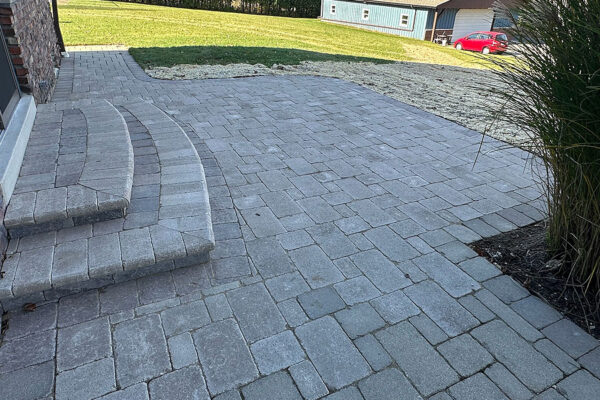
Wondering how is a paver patio installed? Our guide covers every step from excavation and base prep to laying pavers and finishing touches. Get started now!
How Long Does A Concrete Garage Floor Take To Cure?
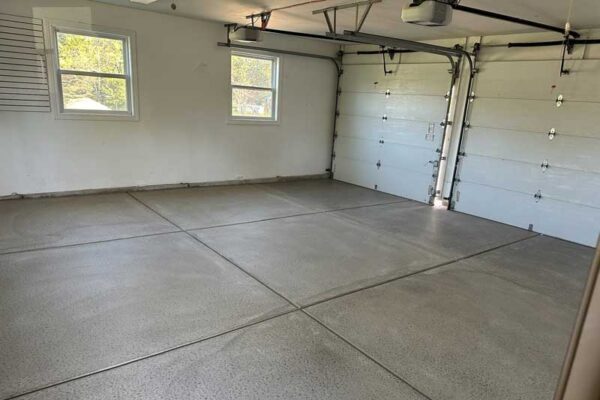 One of the most common questions homeowners have after a new installation is, how long does a concrete garage floor take to cure? It’s a crucial question because the answer directly impacts when you can use your garage and the long-term durability of the slab. While it might seem dry to the touch within a day, the curing process is a much longer and more complex chemical reaction. Understanding this timeline is essential for protecting your investment and ensuring a strong, crack-free surface for decades.
The Critical Difference: Curing vs. Drying
Before diving into timelines, it’s vital to distinguish between curing and drying. Many people use these terms interchangeably, but they describe two very different processes. Drying is simply the evaporation of surface water from the concrete mix. In contrast, curing is a chemical process called hydration, where water in the mix reacts with cement particles to form bonds. These bonds are what give concrete its incredible strength and durability.
Consequently, for concrete to reach its maximum potential strength, it needs to retain sufficient moisture during the initial curing period. If it dries out too quickly, the hydration process stops prematurely, resulting in a weaker slab that’s more prone to cracking and surface dusting. Therefore, proper curing techniques are just as important as the concrete mix itself.
What Are the Key Curing Stages?
The curing process isn’t a single event but a series of milestones. Each stage represents a different level of strength and dictates what kind of activity the floor can safely handle. Here’s a general breakdown of what to expect.
Initial Set: The First 24-48 Hours
During the first day or two, your new garage floor is at its most vulnerable. The concrete will harden enough to support the weight of a person walking carefully across it, but it is still very susceptible to damage. Importantly, you should avoid placing any heavy objects, dragging items across the surface, or allowing pets to walk on it. This initial period is critical for the hydration process to begin effectively. As a result, many professionals will apply a curing compound or cover the slab to lock in moisture.
Partial Cure: The First 7 Days
After about one week, the concrete has typically reached approximately 70% of its final compressive strength. At this point, it can handle regular foot traffic without any issue. However, it is still not ready for the significant weight of a vehicle. Driving a car onto the slab too early can cause permanent indentations or even micro-cracks that will worsen over time. Furthermore, you should continue to protect the surface from heavy tools, equipment, or stored items during this phase.
Functional Cure: The 28-Day Milestone
The 28-day mark is the industry standard for when concrete is considered fully cured for most practical purposes. By this time, it has achieved about 99% of its ultimate strength and is ready to handle its intended load, including parking vehicles. While the hydration process technically continues for months or even years at a very slow rate, the strength gains after 28 days are minimal. This is the timeline you should plan for before returning your garage to full service. For more details on the installation process leading up to this, you can review how a concrete garage floor is installed.
Factors That Influence Concrete Curing Time
The 28-day rule is a reliable guideline, but several variables can speed up or slow down the curing process. A professional contractor will manage these factors to ensure an optimal outcome. Understanding them helps you appreciate why patience is so important.
- Concrete Mix Design: The water-to-cement ratio is a primary driver of strength and curing time. A lower water ratio generally leads to stronger concrete but may require specific additives to remain workable during installation.
- Ambient Temperature: Concrete cures best in moderate temperatures, typically between 50°F and 90°F (10°C to 32°C). For example, colder weather significantly slows down the chemical reaction of hydration, extending the timeline. Conversely, very hot, windy weather can cause the surface to dry out too quickly, which can halt the curing process and cause shrinkage cracks.
- Humidity Levels: High humidity is actually beneficial for curing because it slows down the rate of surface water evaporation. In dry climates, contractors must take extra steps to keep the slab moist.
- Slab Thickness: A thicker slab contains more mass and retains heat and moisture longer than a thin one. As a result, it may cure more slowly but also more evenly.
- Curing Method Used: Professionals use various methods to ensure proper curing. These include applying spray-on curing compounds, covering the slab with plastic sheeting, or periodically misting the surface with water (wet curing).
Understanding How Long Does a Concrete Garage Floor Take to Cure in Practice
So, to directly answer the question, how long does a concrete garage floor take to cure? The simple answer is 28 days for full vehicle-bearing strength. However, the practical answer involves the different stages. You can walk on it in 1-2 days, but you must wait the full four weeks before parking your car on it. Rushing this process is one of the biggest mistakes a homeowner can make, as it can compromise the structural integrity of the slab. If you notice issues developing, it’s always best to consult with professional concrete repair services sooner rather than later.
Moreover, this timeline is based on ideal conditions. If your floor is poured during a cold snap or a heatwave, your contractor may advise an even longer waiting period. Always follow the specific guidance provided by your installation team, as they will account for the unique variables of your project. For a broader overview of project timelines, it can be helpful to understand what to expect during your concrete project from start to finish.
Key Takeaways for a Durable Garage Floor
Ensuring your concrete floor cures properly is a game of patience that pays off with a durable, long-lasting surface. While the full process takes time, following the established guidelines protects your investment. Remember the key milestones: 24-48 hours for light foot traffic, 7 days for heavy foot traffic, and 28 days before parking vehicles. The question of how long does a concrete garage floor take to cure is answered not just in days, but in the quality of the final product.
Finally, proper curing is the first step in a lifetime of durability. Once cured, following a good maintenance plan will keep it in top condition for years. For more information on long-term care, consider reading about maintaining your concrete garage floor. If you have any questions about a new concrete project, contact our team of experts for professional guidance and installation.
Related Posts