A driveway is more than just a surface for parking vehicles it is a key…
Concrete Repair Services: When to Fix Cracks Before They Get Worse
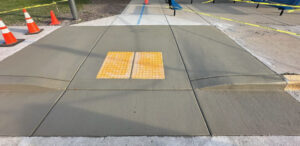
For homeowners and property managers, these cracks may initially seem minor and harmless. In many cases, they are easy to ignore, especially if they do not immediately affect functionality. However, small cracks can quickly grow into larger structural problems if left untreated. This is where professional concrete repair services become essential.
Understanding when to address concrete damage and how repair solutions work can help you protect your property, reduce long-term costs, and maintain structural integrity.
Why Concrete Cracks Develop
Concrete cracks for a variety of reasons, and identifying the cause is the first step toward effective repair.
One of the most common causes is shrinkage. As concrete cures, it naturally loses moisture and contracts. This can lead to small surface cracks, especially if the curing process was not properly managed.
Temperature changes also play a major role. Concrete expands in heat and contracts in cold conditions. Repeated cycles of expansion and contraction create stress within the material, eventually causing cracks.
Another factor is soil movement. The ground beneath concrete structures can shift due to moisture changes, erosion, or settling. When the foundation moves, the concrete above it may crack under pressure.
Heavy loads and impact stress can also contribute to damage. Driveways and industrial surfaces, for example, experience constant pressure from vehicles and equipment, which can weaken the structure over time.
Understanding these causes helps determine whether a crack is cosmetic or a sign of a deeper issue.
Types of Concrete Cracks
Not all cracks are the same, and recognizing the type of crack can help determine the appropriate repair method. Hairline cracks are thin and often appear on the surface. They are usually caused by shrinkage and are generally not a major structural concern. However, they should still be sealed to prevent moisture penetration.
Structural cracks are more serious. These cracks are wider and may indicate underlying issues such as foundation movement or excessive load stress. They require immediate attention to prevent further damage. Settlement cracks occur when the ground beneath the concrete shifts. These cracks often appear uneven and can worsen over time if the soil continues to move.
Surface cracks and scaling are typically caused by environmental factors such as freeze-thaw cycles or exposure to chemicals. While they may not affect structural integrity initially, they can lead to deeper damage if ignored. Each type of crack requires a different approach, which is why professional assessment is important.
Signs That Concrete Needs Immediate Repair
Recognizing early warning signs can help prevent minor issues from becoming major problems. Visible widening of cracks is one of the most obvious indicators. If a crack continues to grow in size, it may signal structural instability.
Water seepage is another critical sign. When water enters cracks, it can weaken the concrete and accelerate deterioration. In colder climates, trapped water can freeze and expand, making the damage worse. Uneven surfaces or sinking areas indicate potential foundation or soil issues. These problems should be addressed quickly to avoid safety hazards.
Discoloration, chipping, and flaking are also signs of surface damage that may require repair. Addressing these issues early helps maintain the integrity of the structure and reduces repair costs.
Why Early Repair Matters
Delaying concrete repair can lead to significant consequences. Small cracks can expand over time, allowing moisture and debris to penetrate deeper into the structure. This weakens the concrete and increases the risk of structural failure.
Early repair prevents minor issues from escalating. At Eagle Exterior Contractors, it also reduces the need for more extensive and expensive repairs in the future. In addition, timely repairs improve safety. Cracked or uneven surfaces can pose tripping hazards, especially in high-traffic areas.
From a financial perspective, investing in early repairs is far more cost-effective than replacing entire sections of concrete.
Common Concrete Repair Techniques
Professional concrete repair services use a variety of techniques depending on the type and severity of damage. Crack injection is commonly used for structural cracks. This method involves injecting epoxy or polyurethane materials into the crack to seal it and restore strength.
Concrete resurfacing is used to repair surface damage. A new layer is applied over the existing concrete to improve appearance and durability. Patching is suitable for localized damage. Damaged sections are removed and replaced with fresh concrete or repair compounds.
Sealing is often used for minor cracks and preventive maintenance. Sealants protect the surface from moisture and environmental damage. Each technique is selected based on the specific condition of the concrete.
The Role of Professional Concrete Repair Services
While some minor repairs can be handled by homeowners, professional services provide a higher level of expertise and reliability. Professionals can accurately diagnose the cause of damage and recommend the most effective solution. They also use specialized tools and materials that ensure long-lasting results.
In addition, professional repairs comply with industry standards and safety regulations, reducing the risk of future issues. For larger or structural problems, hiring experts is essential to ensure proper restoration.
Concrete Resurfacing for Aesthetic and Functional Improvement
Concrete resurfacing is an effective solution for improving both appearance and performance. This process involves applying a new layer over existing concrete to cover imperfections and create a smooth finish. It is often used for driveways, patios, and walkways.
Resurfacing not only enhances aesthetics but also adds a protective layer that increases durability. It is a cost-effective alternative to full replacement, making it a popular choice for property owners.
Preventing Future Concrete Damage
Preventive maintenance plays a key role in extending the lifespan of concrete. Regular inspections help identify early signs of damage before they worsen. Sealing the surface protects against moisture and chemical exposure.
Proper drainage is also important. Ensuring that water does not accumulate around concrete structures reduces the risk of cracks and erosion. Avoiding excessive loads and impact stress further helps maintain structural integrity. By taking these preventive measures, property owners can minimize the need for frequent repairs.
Cost Considerations for Concrete Repair
The cost of concrete repair varies depending on several factors. The size and severity of the damage play a major role. Larger or deeper cracks require more extensive repairs, which increases cost.
The chosen repair method also affects pricing. Advanced techniques such as crack injection or resurfacing may involve higher initial costs but provide long-term benefits. Accessibility and labor requirements can also influence the overall expense.
While repair costs may vary, addressing issues early is always more affordable than delaying and dealing with larger problems later.
Conclusion
Concrete damage is a common issue, but it should never be ignored. Small cracks can quickly turn into major structural problems if left untreated.
By understanding the causes, recognizing early signs, and using the right repair techniques, property owners can protect their investment and maintain the safety of their structures. Contact us today to schedule an inspection and ensure your property remains safe, secure, and well-maintained.
Professional concrete repair services provide the expertise and tools needed to address damage effectively and prevent future issues.
Taking action early not only saves money but also ensures that your concrete surfaces remain strong, durable, and visually appealing for years to come.
Frequently Asked Questions
Q1: Are small concrete cracks serious?
They may seem minor but can worsen if not repaired early.
Q2: What causes concrete cracks?
Common causes include shrinkage, temperature changes, and soil movement.
Q3: Can cracks be repaired without replacing concrete?
Yes, techniques like injection and resurfacing can restore damaged areas.
Q4: How often should concrete be inspected?
Regular inspections are recommended to catch issues early.
Q5: When should I call a professional?
If cracks widen, cause uneven surfaces, or show signs of structural damage.
Related Posts

