
Concrete driveways are built to be durable, but they are not invincible. Weather, heavy vehicles,…
How to Maintain Your Concrete Garage Floor for Long-Term Durability
A concrete garage floor is one of the most heavily used surfaces in any home. From parked vehicles and heavy tools to spilled chemicals and temperature changes, the garage floor experiences constant stress. Without proper care, concrete can crack, stain, weaken, and lose its structural integrity. The good news is that with the right approach to garage floor maintenance, you can significantly improve its durability and appearance for years to come.
Maintaining your concrete garage floor isn’t a complicated process it’s a mix of regular cleaning, preventive protection, and occasional repair. Whether you use your garage for parking, storage, or even as a workshop, taking the time to maintain the surface will reduce long-term repair costs and maintain your home’s value. This guide covers everything you need to know about long-term garage floor care, including sealing, stain removal, repair tips, and maintenance routines.
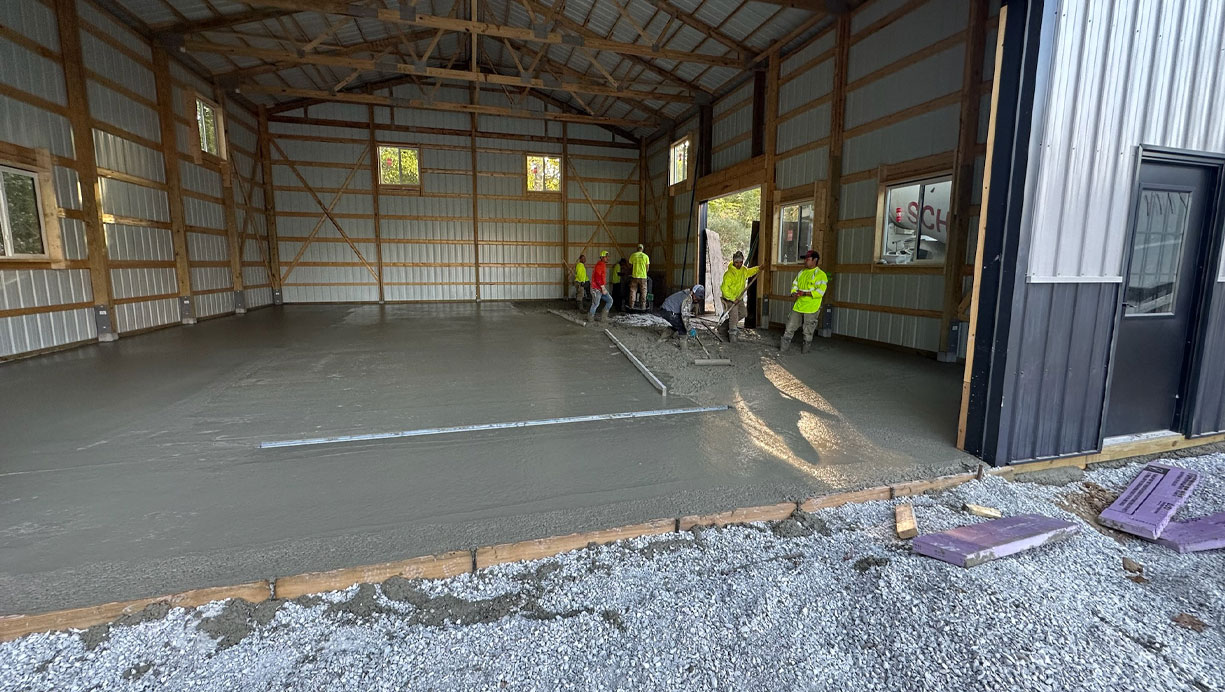
The Importance of Maintaining Your Concrete Garage Floor
A neglected garage floor can deteriorate faster than you expect. Concrete is durable, but it is not indestructible. Unsealed concrete absorbs oils, moisture, dirt, and chemicals. Over time, this leads to cracks, weakening, discoloration, and surface crumbling. Moisture is especially damaging once water penetrates the pores of concrete, it can expand during cold weather and cause cracking.
Well-maintained concrete, on the other hand, lasts decades with very minimal structural issues. A properly sealed and cleaned garage floor not only looks better but also withstands pressure, stains, and environmental changes much more effectively. Maintenance also prevents expensive full-floor resurfacing or replacement in the future.
Routine Cleaning for Daily and Weekly Maintenance
Regular cleaning is the foundation of garage floor maintenance. Dirt, oil, and grime build up quickly in a garage, especially in areas where tires sit. A simple weekly sweep prevents abrasive debris from grinding into the concrete surface. For deeper cleaning, rinsing the floor with mild detergent and water every month is enough to keep it in good condition.
One thing many homeowners overlook is cleaning spills immediately. Automotive fluids such as oil, brake fluid, and coolant penetrate concrete quickly. The longer a spill sits, the harder it is to remove and the more damage it can do. Quick cleaning prevents stains and surface softening, especially on unsealed concrete.
Why Sealing Your Garage Floor Is Essential
Concrete sealers are one of the most effective ways to protect your garage floor from long-term damage. Sealing reduces the floor’s porosity, which means oil, water, chemicals, and stains can’t penetrate as easily. It also adds a protective coating that makes cleaning simpler and improves overall durability.
There are different types of sealers to choose from depending on the level of protection you want. Acrylic sealers are great for basic protection and a glossy finish. Epoxy coatings provide a thicker, more durable layer that can withstand heavy use. Polyurethane sealers offer superior chemical resistance, making them ideal if your garage doubles as a workshop.
Most garage floors need resealing every two to five years. You can test whether your floor needs sealing by pouring a few drops of water onto the surface. If the water absorbs instead of beading, it’s time to reseal.
Handling Oil and Chemical Stains on Concrete
Stains are unavoidable in a garage, especially if you park your car inside or work with machinery. Fortunately, most stains can be removed if treated properly. Fresh oil stains can be cleaned with absorbent materials like cat litter or baking soda. Older stains may require a degreaser formulated specifically for concrete surfaces.
Chemical spills, including antifreeze, gasoline, and cleaning solvents, should be cleaned immediately. These substances not only leave stains but can also weaken the concrete if left untreated. For stubborn stains, pressure washing can help but use the right settings to avoid damaging the surface.
Regularly removing stains extends the life of your floor and prevents long-term discoloration.
Preventing Surface Damage from Heavy Loads and Abrasion
While concrete is strong, it can still suffer from surface abrasion caused by dragging heavy tools or sharp objects. Placing rubber mats in high-use areas provides a simple way to prevent scratches and reduce pressure points. Mats under workbenches, equipment, or gym gear also help keep the floor in better condition.
Another major source of damage is winter road salt. When your vehicle carries salt into the garage, it can break down the concrete surface over time. Rinsing the floor regularly during winter months and using a sealer that resists salt damage will help maintain long-term durability.
Preventing Moisture Damage and Cracking
Moisture is the biggest enemy of concrete. If water seeps into tiny cracks and freezes, it expands, leading to larger cracks and structural weakening. This issue is common in colder climates but can occur anywhere moisture is present.
Proper sealing is the best protection, but regular inspection also helps. Small cracks can be repaired easily using concrete filler or patching compound, preventing them from growing into more serious issues.
If your garage is prone to humidity or dampness, consider using a dehumidifier or improving ventilation. Moisture control is essential for long-term garage floor maintenance.
Polishing the Surface for Extra Durability and Appearance
Polishing is not required for all garage floors but can significantly improve strength and appearance. Polished concrete is harder, smoother, and more resistant to stains and wear. It reflects light well, brightening the garage and making cleaning easier.
Professional polishing can transform your garage into a more attractive, functional space. It also extends the lifespan of the concrete by making the surface less porous and more resistant to damage.
Seasonal Maintenance Tips for Long-Term Protection
Different seasons bring different challenges for garage floors. During winter, salt and moisture are major concerns. In summer, heat can cause expansion and surface drying. A seasonal maintenance routine helps you stay ahead of potential issues.
Before winter, check the floor for cracks and make necessary repairs. Apply a fresh coat of sealer if it’s been a few years. During winter, sweep more frequently and rinse the floor to remove salt.
In spring, do a more thorough inspection, clean stains, and check the sealer. Summer is a great time for repairing cracks and polishing because the concrete cures faster in warm temperatures.
By adjusting your maintenance routine throughout the year, you ensure your garage floor remains in top condition.
Why Garage Floor Maintenance Saves Money Long-Term
Many homeowners overlook garage floor care because the damage seems slow to appear. But preventive maintenance is always more cost-effective than major repair work. Regular cleaning, sealing, stain removal, and minor repairs extend the lifespan of your floor and protect your investment.
A well-maintained concrete garage floor also enhances curb appeal and can even increase property value. Whether you’re planning to stay in your home long-term or preparing to sell, a clean and durable garage floor makes a strong impression.
Conclusion
Proper garage floor maintenance is essential for protecting your concrete surface, preserving its appearance, and extending its lifespan. By following a routine of regular cleaning, timely stain removal, sealing, crack repair, and seasonal care, homeowners can prevent costly damage and maintain a durable, attractive garage floor. For professional garage floor maintenance and expert concrete care, contact us today to protect and enhance your concrete surfaces.
Investing in maintenance not only safeguards your concrete against wear, moisture, and chemical exposure but also enhances the overall value and functionality of your garage. With consistent care, your concrete floor will remain strong, safe, and visually appealing for decades to come.
FAQs
1. How often should I seal my garage floor?
Most concrete garage floors should be resealed every 2–5 years, depending on use and exposure to moisture, chemicals, or heavy wear.
2. Can I seal the floor myself or should I hire a professional?
DIY sealing is possible, but professional sealing offers better, longer-lasting protection—especially for epoxy or polyurethane coatings.
3. How do I remove old oil stains from concrete?
Use a concrete-specific degreaser. For fresh spills, absorbent materials like cat litter or baking soda help soak up the oil.
4. What causes garage floor cracks?
Moisture penetration, heavy loads, temperature changes, and natural settling can all lead to cracking over time.
5. Does polishing the garage floor help with durability?
Yes. Polished concrete is denser, more resistant to stains, and easier to clean. It also enhances the appearance of your garage.
Related Posts


