A concrete driveway is a significant investment that contributes to your home's functionality, safety, and…
How Commercial Snow Removal Contracts Work (And What to Expect)
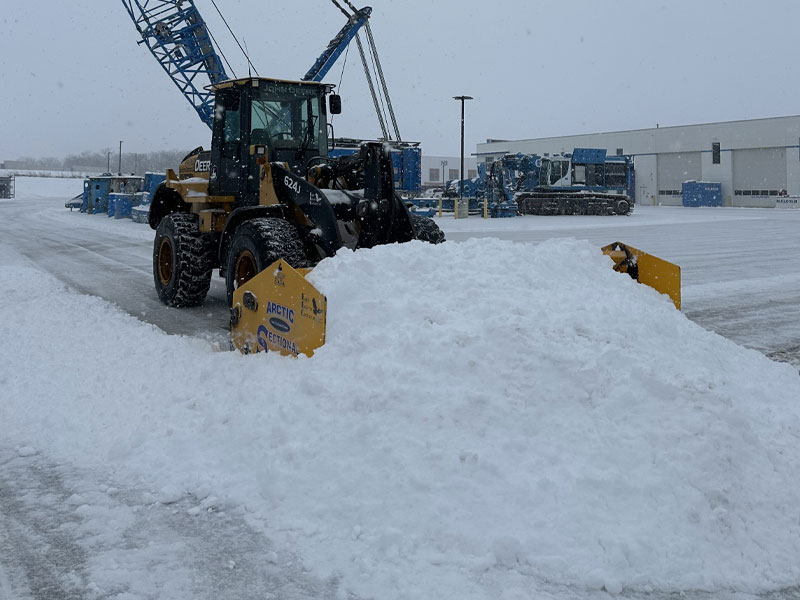 Winter weather can create significant challenges for businesses, property managers, and facility owners. Snow accumulation, ice formation, and hazardous walking or driving conditions can disrupt daily operations, create safety concerns, and expose property owners to liability risks. For this reason, many organizations rely on professional commercial snow removal services to keep their properties safe and accessible throughout the winter season.
However, many business owners are unfamiliar with how commercial snow removal contracts work. Questions about pricing, service schedules, response times, and emergency support are common when evaluating providers. Understanding what to expect from a snow removal agreement can help organizations choose the right contractor and avoid unexpected surprises during severe weather events.
Whether managing a retail center, office complex, industrial facility, healthcare campus, or commercial property, a well-structured snow removal contract provides peace of mind and ensures winter conditions are handled efficiently.
What Is a Commercial Snow Removal Contract?
A commercial snow removal contract is a service agreement between a property owner or manager and a snow removal company. The contract outlines the services provided, pricing structure, response expectations, service areas, and terms of operation during the winter season.
Rather than arranging snow removal after each storm, commercial clients secure services in advance through seasonal agreements or event-based contracts.
These agreements establish clear expectations and ensure resources are available when winter weather arrives.
Professional contractors use contracts to coordinate equipment, staffing, scheduling, and property-specific service requirements before the season begins.
Types of Commercial Snow Removal Contracts
Not all snow removal contracts are structured the same way. The most common contract types include seasonal agreements, per-event contracts, and per-inch pricing models. Each approach offers unique advantages depending on the property’s needs and budget preferences.
Seasonal contracts provide predictable costs throughout the winter, while event-based agreements allow businesses to pay only when services are needed.
Understanding these options helps property owners select a pricing structure that aligns with their operational goals.
Seasonal Snow Removal Contracts
Seasonal contracts are among the most popular options for commercial clients. Under this arrangement, the client pays a fixed fee for snow management services throughout the entire winter season. The cost remains consistent regardless of the number of snowfall events that occur.
Many businesses prefer seasonal agreements because they simplify budgeting and eliminate concerns about fluctuating service costs during particularly snowy winters.
For contractors, seasonal agreements provide operational stability and allow resources to be allocated more efficiently.
This structure is especially common for larger commercial properties and facilities requiring reliable service throughout the season.
Per-Event Pricing
Some businesses choose per-event pricing instead of seasonal contracts. With this model, clients are charged each time snow removal services are performed. Costs typically depend on the size of the property, snowfall conditions, and the scope of work required.
Per-event contracts can be beneficial for businesses located in areas that experience infrequent snowfall or for properties with lower service demands.
However, costs may become unpredictable during winters with frequent storms.
Businesses considering this option should evaluate historical snowfall patterns and budget flexibility before making a decision.
Per-Inch Pricing Models
Another common approach is per-inch pricing. Under this structure, service costs increase based on the amount of snowfall received during a storm. Pricing tiers are often established for different accumulation levels.
For example, rates may vary for snowfall ranges such as one to three inches, three to six inches, or six inches and above.
Per-inch pricing allows costs to reflect actual storm severity but may create budgeting challenges during unusually active winter seasons.
Understanding how accumulation is measured and billed is important when reviewing contract terms.
Services Typically Included
Commercial snow removal contracts generally cover a range of winter maintenance services designed to keep properties safe and accessible.
Most agreements include snow plowing for parking lots, roadway clearing, sidewalk maintenance, entrance access, and ice management. At Eagle Exterior Contractors, these comprehensive snow and ice management services help keep commercial properties safe, accessible, and operational throughout the winter season.
Depending on the provider and property requirements, contracts may also include snow hauling, deicing treatments, snow relocation, and post-storm cleanup.
The exact scope of services should be clearly outlined in the agreement to avoid misunderstandings during the season.
Snow Clearing Schedules
One of the most important aspects of a commercial snow removal contract is the snow clearing schedule.
The schedule defines when service begins, how frequently properties are monitored, and the conditions that trigger snow removal operations.
Many contractors establish snowfall thresholds that automatically initiate service. For example, snow clearing may begin once accumulation reaches a specified depth.
Commercial properties often require service before business hours to ensure customers and employees arrive safely.
Clear scheduling expectations help minimize disruptions and improve operational planning.
Understanding Trigger Depths
Trigger depth refers to the amount of snow accumulation required before snow removal services begin.
Common trigger depths may range from one to three inches depending on the property and contract terms.
Some facilities, such as hospitals, emergency service providers, and critical infrastructure locations, require lower trigger depths due to operational needs.
Businesses should discuss trigger depth requirements carefully when negotiating contracts.
Lower thresholds generally provide more frequent service but may increase overall costs.
Emergency Snow Services
Winter weather can be unpredictable, making emergency snow services a valuable component of many contracts.
Severe storms, unexpected snowfall, freezing rain, and hazardous conditions may require immediate response beyond standard service schedules.
Emergency snow services provide additional support when conditions threaten safety or business operations.
Commercial clients should review contract provisions regarding emergency response times, availability, and associated fees.
Understanding these details in advance helps ensure appropriate support is available when needed most.
Ice Management and Deicing
Snow removal is only part of winter property maintenance. Ice can present equally serious safety risks and often requires specialized treatment. Most commercial snow removal providers offer deicing services using materials designed to improve traction and reduce ice accumulation.
Ice management may include parking lots, sidewalks, walkways, loading areas, and entry points.
A comprehensive contract should address how ice events are monitored and managed throughout the season.
Proactive ice control helps reduce liability exposure and improves safety for visitors and employees.
Factors That Influence Pricing
Commercial snow removal pricing varies based on several factors.
Property size is one of the most significant considerations. Larger parking lots, extensive sidewalks, and multiple access points generally require more equipment and labor.
Other factors influencing cost include snowfall frequency, service level expectations, trigger depths, response requirements, and site complexity.
Properties requiring 24-hour access or rapid response times may incur higher costs due to increased operational demands.
Understanding these variables helps businesses evaluate proposals more effectively.
What Commercial Clients Should Ask Before Signing
Before entering into a commercial snow removal agreement, businesses should carefully review the contractor’s capabilities and service commitments.
Important considerations include response times, equipment availability, staffing levels, insurance coverage, communication procedures, and emergency support options.
Clients should also confirm how service documentation, billing practices, and weather monitoring are handled throughout the season.
A transparent contract helps establish trust and reduces the likelihood of disputes.
Clear communication is often the foundation of a successful long-term relationship.
Benefits of Long-Term Snow Removal Partnerships
Many commercial property owners establish ongoing relationships with trusted snow removal providers.
Long-term partnerships allow contractors to become familiar with site layouts, operational priorities, and property-specific challenges.
This familiarity often leads to improved service efficiency and more proactive winter management.
Businesses benefit from consistent service quality, streamlined communication, and greater confidence during severe weather events.
Reliable partnerships can play an important role in overall facility management strategies.
Final Thoughts
Commercial snow removal contracts provide businesses with a structured and reliable approach to winter property maintenance. By understanding seasonal contracts, per-event pricing, emergency snow services, trigger depths, and snow clearing schedules, commercial clients can make informed decisions that align with their operational needs and budget objectives. Contact us today to discuss a customized commercial snow removal plan that keeps your property safe, accessible, and operational all winter long
A well-designed commercial snow removal agreement not only improves safety and accessibility but also helps protect businesses from liability risks and operational disruptions. Whether managing a single property or an extensive portfolio, partnering with a professional snow removal provider ensures that winter weather remains manageable throughout the season.
Investing time in understanding contract details today can help prevent costly surprises when the next major snowstorm arrives.
Frequently Asked Questions
What is a commercial snow removal contract?
A commercial snow removal contract is an agreement that outlines winter maintenance services, pricing, response times, and service expectations.
What is a seasonal snow removal contract?
A seasonal contract provides snow removal services for a fixed fee throughout the winter season regardless of the number of storms.
How does per-event snow removal pricing work?
Clients pay each time snow removal services are performed based on the scope of work and storm conditions.
What services are included in commercial snow removal?
Services often include snow plowing, sidewalk clearing, deicing, ice management, and snow relocation.
How is commercial snow removal pricing determined?
Pricing depends on property size, service requirements, snowfall frequency, trigger depths, and response expectations.
Related Posts