Deciding between pavers and stamped concrete? This guide answers: Are pavers better than stamped concrete? We compare cost, durability, and style. Get a...
What Are Paver Steps?
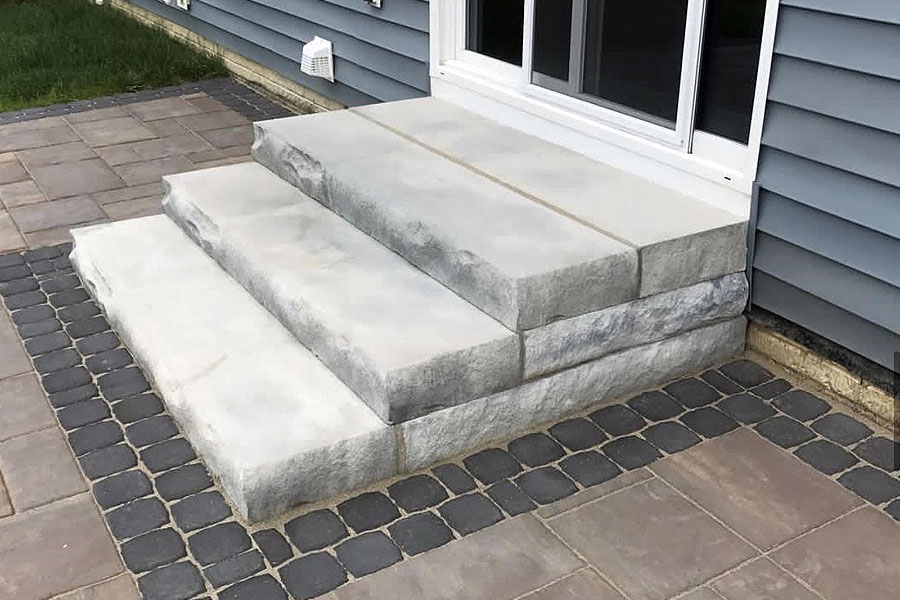
 If you’re planning an exterior home improvement project, you might be asking, what are paver steps? Simply put, they are staircases constructed from individual paving stones, or “pavers,” rather than being poured from a single slab of concrete. Furthermore, this method offers unparalleled design flexibility and long-term durability, making it a popular choice for enhancing garden paths, patios, and front entryways. Unlike traditional concrete, paver steps provide a unique blend of function and aesthetic appeal that can dramatically boost your home’s curb appeal.
Understanding What Are Paver Steps and Their Components
At its core, the answer to “what are paver steps?” lies in their modular construction. Instead of a monolithic structure, these steps are an assembly of interlocking pieces. Consequently, this system is inherently more flexible and resilient, especially in climates with freeze-thaw cycles. The primary components include a compacted aggregate base for stability, a layer of bedding sand for precise placement, the pavers themselves, and finally, jointing sand to lock everything together. This layered construction is critical for ensuring the longevity and safety of the staircase.
Why Choose Pavers Over Poured Concrete for Steps?
While traditional poured concrete stairs are common, paver steps offer several distinct advantages that make them a superior choice for many homeowners. Importantly, these benefits address aesthetics, maintenance, and long-term value. The decision often comes down to weighing initial cost against future repair expenses and visual impact.
Key Advantages of Paver Construction
Choosing pavers for your steps is an investment in both beauty and practicality. For example, the design possibilities are nearly endless, allowing for a custom look that perfectly complements your home’s exterior and landscaping. Moreover, the maintenance benefits provide significant peace of mind over the years.
- Superior Aesthetics: Pavers come in a vast array of colors, shapes, textures, and sizes. This allows for intricate patterns and designs that are impossible to achieve with poured concrete, enabling you to create a truly custom look for your property.
- Exceptional Durability: High-quality concrete pavers are manufactured under controlled conditions, resulting in a dense, strong material that can withstand heavy foot traffic and harsh weather. They are often stronger than standard poured concrete.
- Easy Repairs: If a paver becomes stained, cracked, or damaged, you can replace just the single unit. In contrast, repairing a cracked concrete step is a much more involved and often unsightly process. This makes long-term maintenance both simpler and more cost-effective.
- Safety and Slip Resistance: Many pavers feature a naturally textured, non-slip surface, which provides safer footing in wet or icy conditions compared to smooth, troweled concrete.
- Flexibility: The interlocking system allows the steps to shift slightly with ground movement and temperature changes without cracking. A rigid concrete slab is more prone to significant structural damage under the same conditions.
Common Materials Used for Paver Steps
The term “paver” can refer to several different materials, each offering a unique look and set of characteristics. Understanding these options is part of understanding what are paver steps in their entirety. Your choice will impact the project’s overall cost, appearance, and maintenance requirements. For a look at industry standards, the Interlocking Concrete Pavement Institute (ICPI) provides excellent resources.
Concrete Pavers
These are the most popular and versatile option. Manufactured from concrete and aggregate, they are available in countless styles, some mimicking the look of natural stone or classic brick. Additionally, they are engineered for strength and consistency, making them a reliable and cost-effective choice for any project, from a simple garden path to elaborate, multi-tiered beautiful paver patios.
Natural Stone Pavers
For a high-end, premium look, natural stone pavers like flagstone, slate, or granite are an excellent choice. Each stone is unique, providing a rich, organic texture that cannot be replicated. However, natural stone is typically more expensive and may require more specialized installation techniques. The result, though, is a timeless and elegant staircase that adds significant value to your home.
Clay Brick Pavers
Brick pavers offer a classic, traditional aesthetic that is always in style. They are known for their color retention, as the pigment is baked through the entire brick. Consequently, they won’t fade over time. Brick is extremely durable and can last for generations, making it a sustainable and long-lasting option for your steps.
The Installation Process: A Brief Overview
Proper installation is the most critical factor for a long-lasting and safe paver staircase. While it may seem straightforward, the process requires precision and expertise, especially regarding the foundation. A professional installation ensures proper drainage and a stable base that prevents sinking or shifting over time.
- Excavation and Site Prep: The area is excavated to the required depth to accommodate the base materials. The underlying soil is then compacted to create a solid foundation.
- Base Material Installation: A thick layer of crushed aggregate (gravel) is installed and compacted in layers. This base provides the structural support for the entire staircase and is essential for its longevity.
- Bedding Sand: A one-inch layer of coarse sand is spread and screeded to create a smooth, level bed for the pavers to sit in.
- Paver and Riser Construction: The pavers for the treads (the part you step on) and risers (the vertical face) are laid. This often involves using specialized concrete adhesives and may be integrated with matching block retaining walls for structural support on sloped terrain.
- Jointing and Compaction: Once all pavers are in place, polymeric sand is swept into the joints. This special sand hardens when activated with water, locking the pavers together and preventing weed growth.
This detailed process highlights that the answer to “what are paver steps?” goes beyond the surface materials; it’s about the robust system beneath them. Therefore, hiring an experienced contractor is highly recommended.
Key Takeaways for Your Paver Step Project
Ultimately, paver steps are a superior choice for homeowners seeking a durable, low-maintenance, and aesthetically pleasing solution for their landscape. They offer a level of customization that poured concrete cannot match, and their modular nature makes future repairs simple and seamless. From classic brick to modern concrete styles, there is a paver solution for every home.
Remember that the success of your project hinges on a solid foundation and expert installation. By investing in professional craftsmanship, you ensure your new steps will not only look beautiful but will also provide safe and reliable access for decades. If you’re ready to transform your entryway or garden with the beauty and durability of paver steps, the next step is to consult with an expert. Ready to begin your project? Request a landscape quote today to discuss your vision.
Related Posts