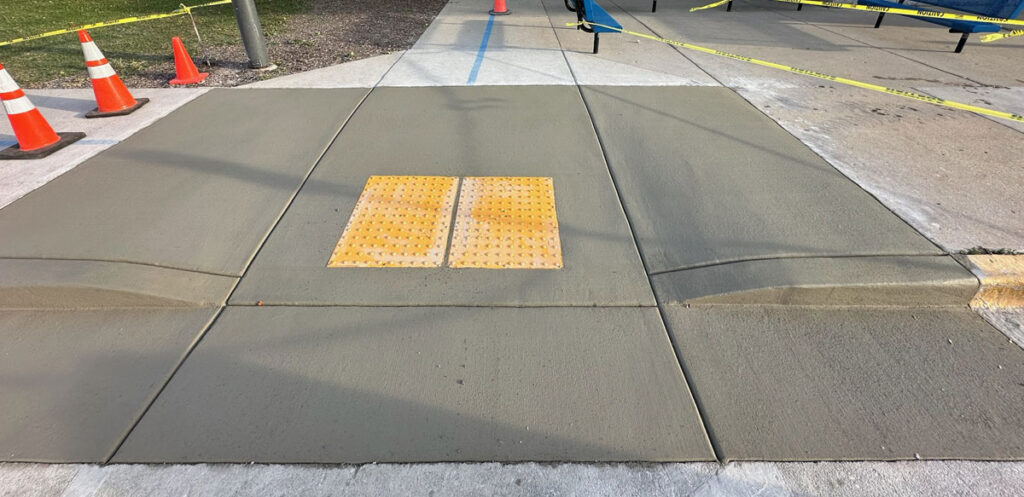
For homeowners and property managers, these cracks may initially seem minor and harmless. In many…
How Long Does a Concrete Driveway Last
 A driveway is more than just a surface for parking vehicles it is a key part of your property’s functionality, appearance, and overall value. Among the many materials available, concrete stands out as one of the most reliable and widely used options due to its strength and long-term performance.
One of the most common questions homeowners ask is how long a concrete driveway lasts. While there is no single fixed answer, the lifespan of a concrete driveway depends on a variety of factors such as installation quality, environmental conditions, usage, and maintenance practices.
Understanding what influences the concrete driveway lifespan allows homeowners to make smarter decisions and ensure their driveway remains durable and visually appealing for as long as possible.
Understanding the Lifespan of a Concrete Driveway
Concrete driveways are known for their durability and resilience. When properly installed and maintained, they can provide long-lasting performance that surpasses many alternative materials.
However, longevity is not automatic. A driveway’s performance depends on how well it is constructed and how it is cared for over time. Factors such as soil stability, weather exposure, and daily use all play a role in determining how long the surface will remain in good condition.
Rather than focusing on a fixed timeframe, it is more useful to think of a concrete driveway as a long-term investment that can deliver extended service with proper care.
Key Factors That Affect Concrete Driveway Lifespan
Several elements directly influence the durability and performance of a driveway. Paying attention to these factors can significantly extend the concrete driveway lifespan.
Quality of Installation
The installation process is one of the most critical aspects of a durable driveway. Proper site preparation ensures that the foundation is stable and capable of supporting the concrete.
This includes grading the area, compacting the base, and using the correct mix of materials. Reinforcement techniques, such as adding steel or fiber, further enhance the strength of the concrete.
Climate and Environmental Conditions
Weather conditions have a significant impact on concrete surfaces. Temperature fluctuations can cause the material to expand and contract, which may lead to cracks over time.
In areas with frequent moisture exposure, water can penetrate the surface and weaken the structure. This is especially problematic when combined with temperature changes, as repeated expansion and contraction can accelerate wear.
Sun exposure can also affect the surface, leading to fading or minor surface degradation. While concrete is generally resilient, environmental stressors can gradually impact its performance.
Traffic and Usage
The type and frequency of traffic on a driveway play an important role in its lifespan. A driveway used for standard residential vehicles will typically experience less stress than one exposed to heavy equipment or frequent high loads.
Excessive weight can place strain on the surface, leading to cracks and structural issues. Ensuring the driveway is designed to handle expected loads is essential for long-term durability.
Soil and Foundation Stability
The condition of the ground beneath the driveway is often overlooked but is extremely important. Unstable or shifting soil can cause the concrete to move, resulting in cracks and uneven surfaces.
Proper base preparation and drainage help prevent these issues by providing a stable foundation for the concrete. A well-prepared base supports the driveway and reduces the risk of long-term damage.
Common Signs of Wear and Damage
Even the most well-built driveways will show signs of wear over time. Recognizing these signs early allows homeowners to take action before problems become more serious.
Small surface cracks are often the first indication of aging. While minor cracking is common, larger or spreading cracks may signal underlying issues.
Discoloration and staining can occur due to exposure to oil, chemicals, and environmental factors. Although these issues are often cosmetic, they can affect the overall appearance of the driveway.
Surface flaking or peeling, known as spalling, is another sign of deterioration. This typically occurs when moisture penetrates the surface or when the finishing process was not done correctly.
Uneven sections or sinking areas may indicate problems with the base or soil beneath the driveway. Prompt concrete repair can help address these issues and maintain the structural integrity of the surface.
The Importance of Regular Maintenance
Maintenance plays a crucial role in extending the concrete driveway lifespan. While concrete is a durable material, neglecting basic care can lead to premature wear and damage.
Routine cleaning helps remove dirt, debris, and contaminants that can affect the surface. Keeping the driveway clean also improves its appearance and prevents buildup that may cause deterioration.
Promptly addressing spills, especially oil and chemicals, prevents staining and potential damage. These substances can weaken the surface if left untreated.
Crack repair is another essential aspect of maintenance. Filling small cracks early prevents them from expanding and causing more significant problems.
Sealing: A Key to Long-Term Durability
Sealing is one of the most effective ways to protect a concrete driveway. A quality sealer creates a barrier that prevents moisture, chemicals, and debris from penetrating the surface.
This protective layer helps reduce the risk of cracking, staining, and surface wear. It also enhances the appearance of the driveway by giving it a clean and finished look.
Regular sealing ensures ongoing protection and contributes significantly to extending the lifespan of the driveway. It is a simple yet powerful step that can make a noticeable difference in performance.
Comparing Concrete to Other Driveway Materials
When considering driveway options, it is helpful to understand how concrete compares to other materials in terms of durability and maintenance.
Asphalt is a common alternative that offers flexibility and lower initial cost. However, it typically requires more frequent maintenance and resurfacing.
Gravel driveways are budget-friendly but demand regular upkeep to maintain their appearance and functionality. They are also less durable under heavy use.
Pavers provide a visually appealing option but may shift over time and require adjustments. While they can be long-lasting, they involve more maintenance compared to concrete.
Concrete offers a balanced solution by combining strength, durability, and relatively low maintenance requirements. This makes it a popular choice for homeowners seeking long-term reliability.
How to Extend the Life of Your Concrete Driveway
Taking proactive steps can significantly improve the performance and longevity of your driveway.
Avoid placing excessive weight on the surface beyond its intended capacity. This helps prevent stress-related damage and cracking.
Keep the driveway clean and free of debris to maintain its condition. Regular cleaning also reduces the risk of stains and surface deterioration.
Apply sealant periodically to protect against environmental factors and daily wear. This adds an extra layer of defense that helps preserve the surface.
Ensure proper drainage around the driveway to prevent water from pooling. Standing water can weaken the concrete and lead to long-term issues.
Address minor problems as soon as they appear. Early repairs are typically simpler and more cost-effective than dealing with extensive damage later.
Cost vs. Long-Term Value
Concrete driveways may require a higher initial investment compared to some alternatives, but their durability often makes them more cost-effective over time.
Reduced maintenance needs, fewer repairs, and long-lasting performance contribute to overall savings. Additionally, a well-maintained driveway can increase the curb appeal of a property, making it more attractive to potential buyers.
Viewing a concrete driveway as a long-term investment highlights its value beyond just the upfront cost.
Conclusion
The lifespan of a concrete driveway depends on a combination of factors, including installation quality, environmental conditions, and ongoing maintenance. Contact us today to learn how our professional concrete services can help extend the life of your driveway and keep it in excellent condition.
Rather than focusing on a fixed timeframe, it is more important to understand how to care for the surface and protect it from damage. With proper attention, a concrete driveway can deliver reliable performance and maintain its appearance for an extended period.
Investing in quality installation and consistent maintenance ensures that your driveway remains a durable and valuable part of your property.
Frequently Asked Questions
What affects the lifespan of a concrete driveway?
Installation quality, climate, traffic load, soil conditions, and maintenance all affect a driveway’s lifespan. At Eagle Exterior Contractors, we ensure these factors are carefully managed for long-lasting performance.
Can proper maintenance extend driveway life?
Yes, regular cleaning, sealing, and timely repairs can significantly improve durability and performance.
Is sealing necessary for concrete driveways?
Sealing is highly recommended as it protects against moisture, stains, and surface damage.
What are the first signs of driveway damage?
Common signs include small cracks, discoloration, surface flaking, and uneven areas.
When should a concrete driveway be replaced?
Replacement is typically needed when there is extensive damage, structural issues, or frequent repair requirements.
Related Posts