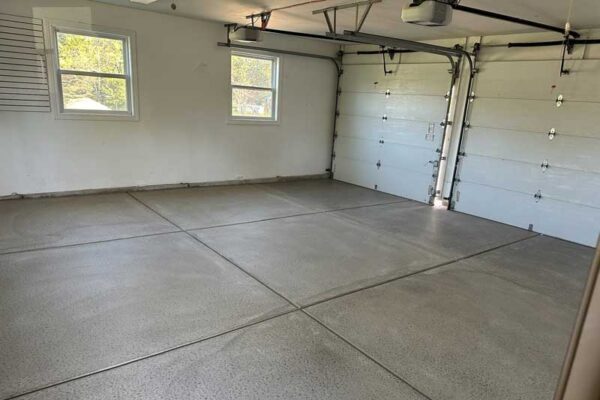
Curious about how long does a concrete garage floor take to cure? Learn the key stages from initial set to full strength and factors that affect drying t...
How Much Does A Concrete Walkway Cost Per Square Foot?
 Understanding how much does a concrete walkway cost per square foot is the first step in planning a durable and attractive addition to your home’s exterior. This investment not only improves curb appeal but also provides a safe, functional path. Consequently, budgeting accurately is crucial. This guide breaks down all the pricing components, from basic installation to custom finishes, helping you make an informed decision for your property.
Average Concrete Walkway Cost Per Square Foot
On average, homeowners can expect to pay between $8 and $18 per square foot for a professionally installed concrete walkway. Therefore, a standard 50-foot long by 4-foot wide walkway (200 square feet) could range from $1,600 to $3,600. However, this is a general estimate. Several critical factors can shift your final costs to either end of that spectrum or even beyond it. For example, a simple broom-finish walkway will be significantly more affordable than a complex, multi-colored stamped design. Moreover, regional labor rates and material costs play a substantial role in the final price.
What Key Factors Influence the Final Price?
The total cost of your project is more than just the price of concrete. A variety of elements contribute to the final quote you receive from a contractor. Importantly, understanding these variables allows you to adjust your plans to better fit your budget. Let’s explore the most significant cost drivers.
Labor and Site Preparation
Professional labor is a major component of the overall cost. This includes preparing the site, which is a critical step for ensuring longevity. For instance, the process involves excavating the area to the required depth, removing grass, rocks, and old paving materials. Additionally, contractors must properly grade the land to ensure correct water drainage away from your home’s foundation. If your property has difficult-to-access areas or significant slopes, labor costs may increase. Proper site prep prevents future issues, making it a worthwhile investment. If you’re considering a new path, it’s helpful to understand the what to expect during your concrete project.
Concrete Thickness and Reinforcement
The standard thickness for a residential walkway is 4 inches. This is generally sufficient for foot traffic. However, if the walkway might occasionally support heavier loads, such as a riding lawnmower or wheelbarrow, upgrading to a 5 or 6-inch thickness is advisable. Naturally, thicker concrete requires more material, thus increasing the cost. Furthermore, adding reinforcement like wire mesh or rebar adds strength and crack resistance but also contributes to the total price. This is particularly important in climates with significant freeze-thaw cycles.
Decorative Finishes and Complexity
The finish you choose has one of the largest impacts on the per-square-foot cost. While a standard broom finish is cost-effective, decorative options can elevate the look of your walkway. As a result, they also increase the price. Some popular choices include:
- Broom Finish: A standard, non-slip texture created by dragging a broom over the wet concrete. This is the most affordable option.
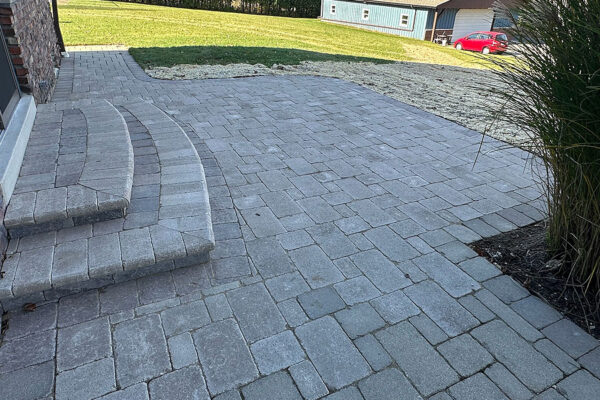
- Stamped Concrete: This involves pressing molds into the concrete to mimic the appearance of stone, brick, or other patterns. It can add $4 to $10+ per square foot to the base cost.
- Colored Concrete: Integral pigments or surface color hardeners can be used to give your walkway a unique hue that complements your home. This adds a few dollars per square foot.
- Exposed Aggregate: This finish reveals the natural stones in the concrete mix for a textured, durable surface that offers excellent traction.
Breaking Down How Much Does a Concrete Walkway Cost Per Square Foot?
To truly understand how much does a concrete walkway cost per square foot, you must look beyond the basic installation. Several additional services or project complexities can add to your budget. For example, the demolition and removal of an existing walkway can add $2 to $6 per square foot. Similarly, extensive grading or the need for a retaining wall will increase costs. Sealing the concrete, a recommended step for protection against stains and weather, is another add-on service. While it adds an initial cost, it can save you money on future maintenance and concrete repair services in the long run.
DIY vs. Hiring a Professional: A Cost-Benefit Analysis
A DIY approach might seem like a way to save money, as you would only pay for materials. However, pouring concrete is a physically demanding and technical job. Mistakes can be costly and difficult to fix. For example, improper mixing can lead to a weak surface, and incorrect grading can cause water damage to your property. In contrast, hiring a professional ensures the job is done correctly and efficiently. Professionals have the right equipment, experience, and understanding of local building codes. While labor adds to the cost, the peace of mind and high-quality result are often worth the investment, especially when considering the many benefits of a concrete walkway that a professional installation guarantees. Authoritative sources like Forbes Home provide detailed breakdowns that often highlight the value of professional work.
Final Thoughts on Budgeting for Your Walkway
Ultimately, planning your budget requires balancing your aesthetic goals with financial realities. Getting multiple quotes from reputable local contractors is the best way to get an accurate picture of the costs in your area. Be sure to ask for a detailed breakdown that includes materials, labor, site prep, and any desired finishes. By understanding the factors discussed here, you can have a productive conversation with contractors and confidently determine a realistic budget. Finally, knowing how much does a concrete walkway cost per square foot empowers you to invest wisely in a project that will add value and function to your home for years to come. For more insights into material costs, resources like Bob Vila offer excellent guidance for homeowners.
Related Posts