Wondering how early should businesses schedule commercial snow plowing? Securing a contract in late summer or early fall ensures availability. Learn why....
How Do Commercial Snow Removal Contracts Work?
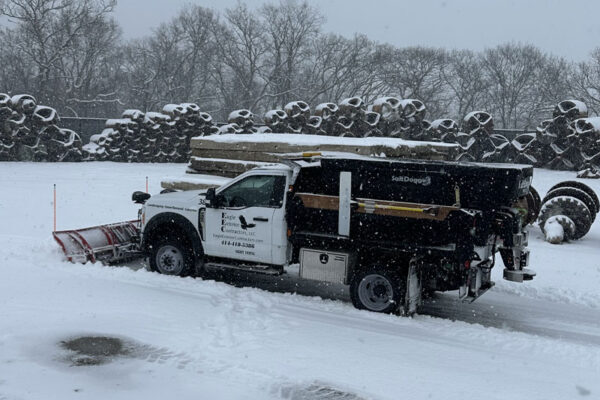 Winter weather brings significant challenges for property managers and business owners, where safe access is not just a convenience but a necessity. Understanding the specifics of service agreements is crucial for ensuring your commercial property remains operational and safe during snow and ice events. This guide explains in detail how do commercial snow removal contracts work, breaking down the common structures, key terms, and essential questions to ask before you sign. Consequently, you can make an informed decision that protects your assets and ensures business continuity.
What Are the Common Pricing Models for Snow Removal?
The foundation of any snow removal agreement is its pricing structure. Importantly, different models suit different types of properties and budget preferences. Choosing the right one depends on your risk tolerance, expected snowfall, and the level of service you require. Therefore, understanding these options is the first step toward a successful partnership.
Per-Push or Per-Inch Contracts
A per-push model means you pay each time the contractor clears your property. This is often tied to a specific snow accumulation trigger, such as two inches. Similarly, a per-inch model bills based on the total snowfall depth for an event. For example, a 4-inch storm would cost more than a 2-inch storm. This model offers transparency, as you only pay for services rendered. However, it can become expensive during a particularly heavy winter, making budgeting unpredictable.
Seasonal or Flat-Rate Contracts
Seasonal contracts involve a single, fixed price for the entire winter season, typically spanning from November to April. This all-inclusive model covers all snow and ice removal services, regardless of how many storms occur. The primary benefit is predictable budgeting, which many businesses prefer. Furthermore, clients with seasonal agreements often receive priority service. The downside is that you pay the full amount even during a mild winter with little to no snow. For more details on this, explore the specifics of seasonal snow removal contracts.
Time and Materials (T&M) Contracts
With a Time and Materials contract, you pay an hourly rate for labor and equipment, plus the cost of any de-icing materials used (like salt or calcium chloride). This structure can be cost-effective for minor events or properties with unique needs. Nevertheless, costs can escalate quickly during prolonged, severe storms, leading to potential budget overruns. This model requires a high level of trust and detailed invoicing from the contractor.
Key Components Every Snow Removal Contract Should Include
A well-drafted contract leaves no room for ambiguity. It should clearly outline the responsibilities of both the client and the contractor. Before signing, ensure your agreement contains several critical components to protect your business from liability and ensure you receive the service you expect. A detailed contract is your best defense against misunderstandings.
- Scope of Services: The contract must explicitly state which areas will be serviced. For instance, does it include parking lots, loading docks, private roads, sidewalks, and entryways? It should also specify the services provided, such as plowing, shoveling, snow blowing, de-icing, and snow relocation (hauling).
- Service Triggers: This defines when service begins. A common trigger is a specific snow accumulation depth, such as one or two inches. For ice management, triggers might be based on temperature, precipitation, or visual inspection.
- Timing and Frequency: The agreement should detail the expected service window. For example, will services be performed overnight to ensure lots are clear by business opening? It should also address how the contractor handles continuous snowfall and how often they will service the property during a prolonged storm event.
- Liability and Insurance: A crucial section, this part should confirm the contractor carries adequate liability insurance, including a slip-and-fall rider. Always request a certificate of insurance to verify their coverage. According to industry standards from organizations like the Snow & Ice Management Association (SIMA), proper insurance is non-negotiable.
Understanding the Nuances: How Do Commercial Snow Removal Contracts Work in Practice?
Beyond the written terms, understanding the practical application of the agreement is vital. The question of how do commercial snow removal contracts work often comes down to the contractor’s operational efficiency and communication. A proactive contractor will conduct a pre-season site inspection to identify potential hazards, map out the property, and designate areas for snow piling. This preparation ensures that when the first storm hits, their team can work efficiently and safely without causing damage to curbs, landscaping, or fire hydrants.
Moreover, communication protocols are essential. Your contract should specify how and when the contractor will communicate before, during, and after a storm. Will you receive email alerts or text messages? Is there a 24/7 contact number for emergencies? Effective communication provides peace of mind and allows you to keep your employees and customers informed. Ultimately, the best contracts are partnerships built on clear expectations and reliable execution from professional commercial snow removal services.
What Questions Should You Ask Before Signing?
Asking the right questions upfront can save you significant headaches later. A reputable contractor will welcome your inquiries and provide clear, confident answers. Use this checklist to vet potential providers and ensure they are the right fit for your property’s needs.
- What is your average response time after a snow event begins?
- Do you have dedicated equipment for my property, or is it shared among multiple clients?
- Can you provide references from other commercial properties similar to mine?
- What is your plan for equipment breakdowns or employee shortages during a major storm?
- How do you document the services performed at my site (e.g., GPS tracking, photos, service logs)?
- What are the specific details regarding your commercial snow plowing costs and billing cycles?
Final Thoughts on Choosing the Right Partner
In conclusion, navigating the complexities of winter property management starts with a solid agreement. The answer to how do commercial snow removal contracts work lies in the details: a clear scope of work, a transparent pricing model, and a commitment to proactive communication. By carefully reviewing the terms, verifying insurance, and asking pointed questions, you can secure a reliable partner who will keep your property safe and accessible all winter long. As a result, you can focus on running your business, confident that your snow and ice management is in expert hands.
Related Posts