Wondering how early should businesses schedule commercial snow plowing? Securing a contract in late summer or early fall ensures availability. Learn why....
How Much Snow Should Accumulate Before Plowing?
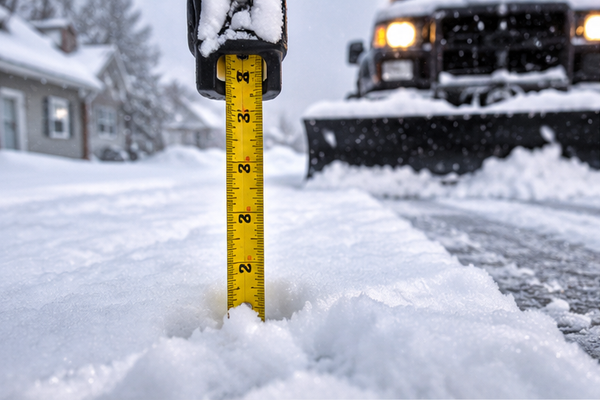 Deciding on the right time to clear snow is a common winter dilemma for property owners. The question of how much snow should accumulate before plowing is crucial for maintaining safety, accessibility, and compliance with local regulations. Waiting too long can create hazardous conditions, while plowing too soon can be inefficient. Therefore, understanding the key factors involved helps you create an effective snow management plan that protects your property and everyone who uses it. This guide provides clear triggers and expert advice for making the right call.
Key Factors That Determine Plowing Triggers
There isn’t a single, universal answer for when to plow. Instead, the decision depends on a combination of variables. Importantly, these factors can change from one snow event to the next, requiring a flexible approach to snow removal. Evaluating each element is essential for timely and effective clearing.
Snow Type: Wet and Heavy vs. Light and Fluffy
The composition of the snow plays a significant role. For example, a few inches of wet, heavy snow can be more dangerous and difficult to move than a deeper layer of light, powdery snow. Wet snow packs down easily, creating slippery surfaces, and its weight can strain plowing equipment. As a result, it’s wise to plow heavy snow after only 2-3 inches have fallen. In contrast, you can often wait for 4-6 inches of lighter snow to accumulate before taking action.
Surface Type and Usage
The type of surface and its traffic level are also critical considerations. A high-traffic commercial parking lot has a much lower tolerance for accumulation than a residential driveway. Furthermore, businesses must prioritize safety to reduce liability from slip-and-fall accidents. For these reasons, commercial properties often have a zero-tolerance or 1-inch trigger for plowing and salting. Similarly, it’s important to consider protecting your concrete surfaces from the stresses of winter weather and plowing equipment.
Current and Upcoming Weather Conditions
A proactive approach requires looking at the forecast. If a storm is expected to drop over a foot of snow, it may be necessary to plow multiple times throughout the event to keep it manageable. Additionally, if temperatures are predicted to drop sharply after a snowfall, it’s crucial to plow before the melted snow refreezes into a sheet of ice. Consequently, monitoring weather patterns allows you to stay ahead of hazardous conditions.
Why Does Knowing How Much Snow Should Accumulate Before Plowing Matter?
Understanding the right plowing triggers is about more than just convenience; it’s a fundamental aspect of property management and risk mitigation. The consequences of poor timing can be severe, ranging from legal liability to property damage. Knowing how much snow should accumulate before plowing directly impacts the safety and functionality of your space during the winter months. Ultimately, a well-timed response prevents small problems from becoming major hazards.
Safety and Liability
The most significant reason to plow promptly is to prevent accidents. Snow and ice are leading causes of outdoor slip-and-fall injuries. For businesses, this poses a substantial liability risk. Moreover, ensuring that emergency services have clear access to your property is a non-negotiable safety requirement. Timely plowing demonstrates due diligence and a commitment to keeping visitors, employees, and residents safe. For commercial properties, engaging professional commercial snow removal services is the best way to manage this risk effectively.
Preventing Ice Buildup
One of the greatest dangers in winter is not the snow itself, but the ice that forms beneath it. When snow is compacted by foot or vehicle traffic, it melts from the pressure and then refreezes into a slick, hazardous layer. Plowing before this compaction occurs is essential. By removing snow promptly, you minimize the chance for ice to bond with the pavement, making subsequent de-icing treatments more effective and the surface safer.
What Are the General Accumulation Guidelines?
While specific triggers vary, some general rules of thumb can help guide your decisions. These guidelines serve as a baseline for creating a snow removal plan for your home or business. Always remember to adjust them based on the specific factors of each winter storm.
- 1-2 Inches: For light, fluffy snow, this amount may not require a plow. However, for commercial properties or when wet, heavy snow is involved, this is often the trigger point for service to prevent compaction and ice formation.
- 3-5 Inches: This is the most common trigger for both residential and commercial plowing. This depth is enough to impede vehicle traction and make walking difficult, representing a clear safety concern.
- 6+ Inches: At this depth, plowing is almost always necessary. Deep snow can trap vehicles, block entrances, and pose a significant physical challenge to clear manually. It becomes a major obstacle that demands immediate attention.
The Role of Professional Snow Removal Contracts
For business owners and property managers, taking the guesswork out of snow removal is the most reliable strategy. Professional commercial snow removal contracts establish clear triggers for service. For instance, you can specify plowing to begin at a 1-inch, 2-inch, or other predetermined depth. This ensures your property receives timely service without you needing to monitor every storm. These agreements are tailored to your property’s specific needs, providing peace of mind and consistent safety all winter long. Deciding in advance on how much snow should accumulate before plowing is a key part of this process.
An effective contract also outlines services for de-icing, which is a critical component of winter safety. According to the U.S. Federal Highway Administration, de-icing is essential for maintaining safe, accessible pavement. You can learn more about winter weather safety from authoritative sources like the National Weather Service.
Final Thoughts on Your Plowing Strategy
In conclusion, determining how much snow should accumulate before plowing involves a careful assessment of snow type, surface use, and weather forecasts. While a 3-5 inch accumulation is a common benchmark, high-traffic commercial properties often require a much lower threshold to ensure safety and mitigate liability. Being proactive rather than reactive is the cornerstone of effective snow management. By establishing clear triggers and partnering with a reliable snow removal service, you can keep your property safe and accessible throughout the winter season.
Related Posts