Wondering how early should businesses schedule commercial snow plowing? Securing a contract in late summer or early fall ensures availability. Learn why....
How Often Should A Parking Lot Be Plowed During A Snowstorm?
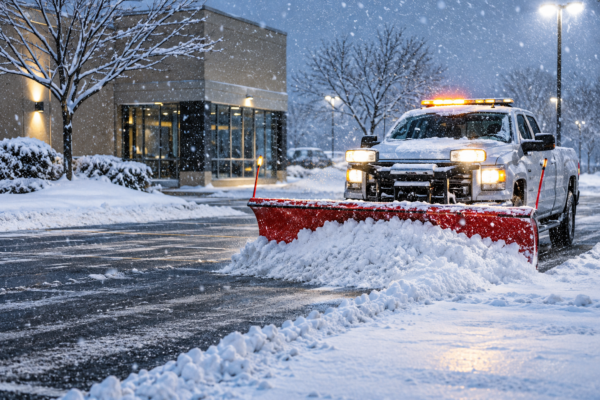 For property managers and business owners, a heavy snowfall brings a critical operational challenge. Beyond the logistics, ensuring safety and accessibility is paramount. Therefore, understanding how often should a parking lot be plowed during a snowstorm is not just about convenience; it’s a matter of liability, customer access, and business continuity. Failing to maintain a clear and safe lot can lead to accidents, deter customers, and potentially result in costly legal issues. Consequently, having a clear, proactive strategy is essential for navigating winter weather effectively.
The “Trigger Depth” Rule: An Industry Standard
The most common approach in the professional snow removal industry is the concept of a “trigger depth.” This is a pre-determined amount of snow accumulation that, once reached, automatically initiates plowing services. For most commercial properties, this trigger is typically set between 1 to 2 inches of snow. For example, a contract might specify that plowing begins as soon as 1.5 inches of snow is measured on the pavement.
Importantly, this trigger depth can be customized based on the property’s specific needs. A high-traffic retail center or a 24/7 medical facility might require a lower trigger of just one inch to minimize any disruption. In contrast, an industrial park with primarily employee traffic might opt for a two-inch trigger. This detail is a cornerstone of most commercial snow removal contracts and should be clearly defined before the winter season begins.
Why Continuous Plowing is Essential During Heavy Storms
When a major storm is forecast to drop significant amounts of snow over many hours, waiting for the storm to end before plowing is a serious mistake. As snow accumulates, the weight of new layers compacts the snow underneath. Furthermore, vehicle traffic can turn this compacted snow into hazardous ice, which is much more difficult and costly to remove. This is why a multi-pass or continuous plowing strategy is crucial.
During a prolonged blizzard, professional crews will plow the lot multiple times. For instance, they might clear the lot every time 2-3 inches of new snow accumulates. This approach offers several key benefits:
- Maintains Accessibility: It ensures that the business can remain open and that customers and employees can access the property safely throughout the storm.
- Prevents Ice Buildup: By removing snow before it becomes heavily compacted, it significantly reduces the risk of dangerous ice sheets forming.
- Simplifies Final Cleanup: A final, detailed cleanup is much faster and more effective when crews are managing manageable layers of snow instead of a single, deep, and compacted mass.
Ultimately, deciding how often should a parking lot be plowed during a snowstorm often means committing to service throughout the event, not just at the end.
What Factors Influence Plowing Frequency?
While trigger depth is a great starting point, a truly effective snow management plan considers several dynamic factors. A professional contractor will adjust their approach based on the specific characteristics of each weather event. These variables determine the optimal plowing frequency to ensure maximum safety and efficiency.
Storm Characteristics
The nature of the storm itself is the biggest variable. A storm dropping a foot of light, fluffy snow over 12 hours requires a different strategy than one dropping six inches of heavy, wet snow in three hours. Moreover, factors like high winds, which cause drifting, and fluctuating temperatures, which affect icing, must be monitored closely. A reliable service provider uses advanced weather monitoring to adapt their plan in real-time.
Property Type and Traffic Patterns
The operational needs of your business directly impact plowing frequency. Consider these scenarios:
- Retail Centers: Require clear, safe lots during all business hours to attract and protect customers.
- Hospitals and Healthcare Facilities: Demand 24/7 accessibility for emergency vehicles and patients, making them a top priority.
- Industrial or Office Parks: Need lots cleared before employee arrival and before closing to ensure safe commutes.
- Residential Complexes: Must have clear roadways and parking areas for residents at all times.
Each property type has unique peak traffic times that must be accommodated.
Local Ordinances and Regulations
Many municipalities have specific regulations regarding snow and ice removal from commercial properties and public sidewalks. These ordinances often dictate a timeframe within which snow must be cleared after a storm ends (e.g., within 12 or 24 hours). As a result, non-compliance can lead to fines. It’s crucial to work with a contractor who is knowledgeable about local laws. Authoritative resources like OSHA’s winter weather page also provide guidelines for keeping workers safe during cleanup operations.
How to Determine How Often Should a Parking Lot Be Plowed During a Snowstorm for Your Property
The best way to answer the question of how often should a parking lot be plowed during a snowstorm is to create a detailed Snow and Ice Management Plan with a professional contractor. This plan should be established well before the first flakes fall. It involves assessing your property’s unique layout, traffic flow, and operational hours. Furthermore, it means clearly defining trigger depths for both plowing and de-icing applications.
A proactive plan removes the guesswork and stress when a storm hits. Instead of making frantic calls, you can trust that your service provider is monitoring the storm and executing the pre-agreed strategy. Discussing options like a seasonal snow removal contract can provide budget certainty and guaranteed service for the entire winter, ensuring your property is always a priority.
The Critical Role of De-Icing
Plowing alone is not enough. Effective snow management requires a coordinated de-icing strategy. This can include pre-treating surfaces with an anti-icing brine before a storm to prevent snow and ice from bonding to the pavement. After plowing, applying rock salt or other de-icing agents is essential to melt any remaining patches and prevent refreezing. This two-pronged approach of plowing and salting is the key to a truly safe and clear parking lot.
Final Thoughts: Partner with a Professional for Peace of Mind
In conclusion, the frequency of parking lot plowing during a snowstorm is not based on a single rule but on a dynamic assessment of trigger depths, storm intensity, and property-specific needs. Continuous plowing during long events is vital for preventing compaction and ice. Similarly, integrating de-icing services is non-negotiable for ensuring true safety.
By partnering with a reliable provider for comprehensive commercial snow removal services, you can protect your customers, employees, and your bottom line. A professional team will help you develop a customized plan that keeps your property safe and accessible no matter what winter throws your way.
Related Posts