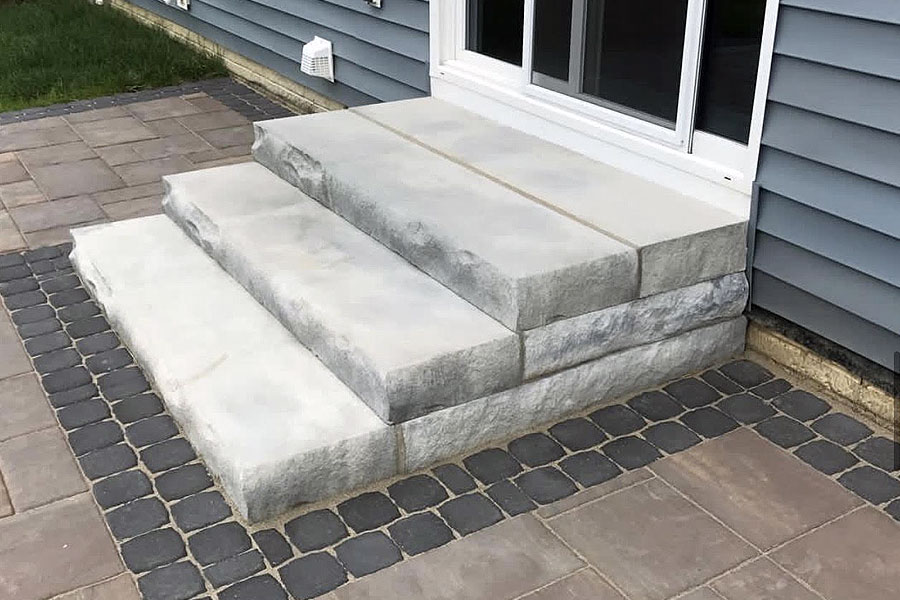
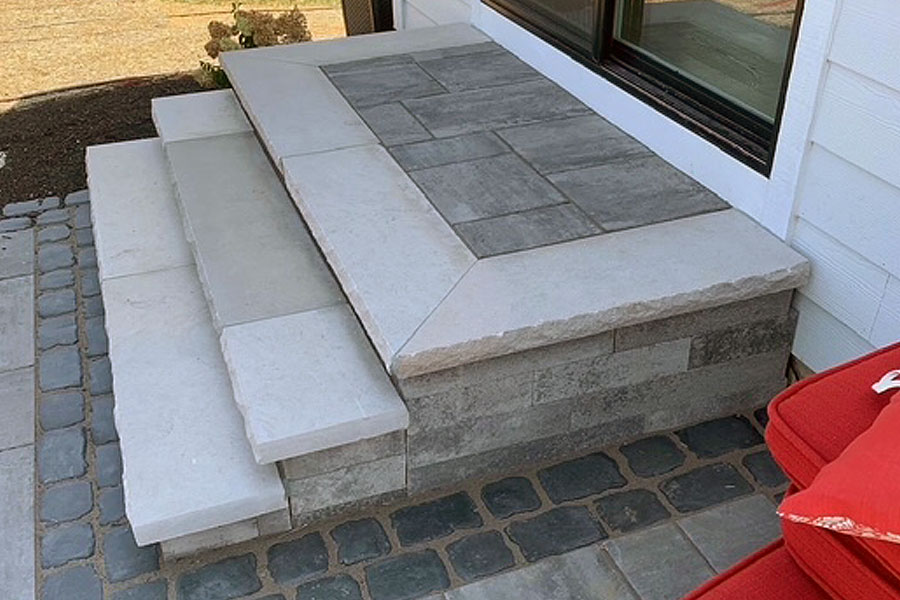
Deciding between pavers and stamped concrete? This guide answers: Are pavers better than stamped concrete? We compare cost, durability, and style. Get a...
What Is Concrete Repair?
 For many homeowners, the question what is concrete repair? arises the moment they spot a troubling crack in their driveway, patio, or garage floor. It’s more than just a cosmetic fix; it’s a crucial maintenance process for restoring the structural integrity, safety, and appearance of concrete surfaces. Furthermore, understanding the fundamentals of concrete repair can save you from costly replacements down the line. This guide breaks down the process, common issues, and when it’s time to call in a professional.
Common Concrete Problems That Require Repair
Before diving into repair methods, it’s essential to identify the type of damage you’re dealing with. Concrete is durable, but it isn’t indestructible. Consequently, environmental factors and wear-and-tear can lead to several common issues.
- Cracks: From hairline fractures to wide gaps, cracks are the most frequent problem. They can be caused by shrinkage during curing, ground settlement, or heavy loads.
- Spalling or Pitting: This happens when the top surface of the concrete flakes or peels away, leaving a rough, pitted texture. It’s often a result of freeze-thaw cycles or a poor finishing job.
- Uneven or Sunken Slabs: Soil erosion or compaction beneath a slab can cause it to sink, creating a dangerous trip hazard on walkways, patios, or driveways. Recognizing these signs your driveway needs immediate attention is critical.
- Discoloration and Stains: While often cosmetic, stains from oil, rust, or chemicals can degrade the surface over time and may require specific cleaning or resurfacing techniques.
The Core Process: What Is Concrete Repair in Practice?
So, you’ve identified a problem. But what is concrete repair in terms of the actual steps involved? While the specifics vary based on the damage, the general process follows a logical sequence to ensure a durable and long-lasting fix. A professional approach typically includes these phases.
- Thorough Assessment: First, a professional evaluates the extent of the damage to determine the underlying cause. Is it a simple surface crack or a sign of a deeper structural problem? This diagnosis is crucial for choosing the right repair method.
- Surface Preparation: This is arguably the most critical step. The damaged area must be cleaned of all debris, loose concrete, and contaminants. For cracks, this may involve using a grinder to widen the gap slightly to ensure the repair material can bond effectively.
- Material Application: Next, the chosen repair material is applied. This could be a flexible sealant for small cracks, an epoxy mortar for larger voids, or a self-leveling overlay for uneven surfaces. The material must be compatible with the existing concrete.
- Curing and Finishing: After application, the repair material needs time to cure and harden properly. The curing time varies significantly depending on the product and environmental conditions. Importantly, the repaired area is then finished to match the surrounding texture and appearance as closely as possible.
- Sealing: Finally, applying a quality concrete sealer over the repaired area and the entire slab can protect it from moisture, chemicals, and UV damage, prolonging the life of both the repair and the original surface.
When Should You Call a Professional for Concrete Repair?
While some minor hairline cracks can be a DIY project, many concrete issues require professional expertise. Deciding when to call a pro is key to avoiding a failed repair that costs more to fix later. For example, if you see large, expanding cracks (wider than a quarter-inch), it often points to a foundational issue that needs an expert eye. Similarly, sunken or heaving slabs require specialized equipment for slabjacking or foam injection.
A professional contractor brings the right tools, high-grade materials, and the experience to correctly diagnose the root cause. This is especially important when deciding whether to repair or replace your concrete. A pro can give you an honest assessment of which option is more cost-effective. Ultimately, investing in professional work ensures the repair is done safely and correctly the first time.
Benefits of Timely Concrete Repair
Addressing concrete damage promptly offers significant advantages. Firstly, it enhances safety by eliminating trip hazards from uneven slabs or cracks. Secondly, it improves your property’s curb appeal and can increase its value. A well-maintained driveway and patio look far more inviting. Moreover, fixing small problems early prevents them from escalating into major structural failures that necessitate a full, expensive replacement. Understanding what is concrete repair and acting on it is a smart investment in your property’s longevity.
Choosing the Right Concrete Repair Method
The method used for repair depends entirely on the type and severity of the damage. Authoritative bodies like the American Concrete Institute (ACI) provide standards for these techniques to ensure effectiveness.
Crack Filling and Sealing
For non-structural cracks, a flexible sealant is often used to prevent water from penetrating the slab and causing further damage, especially during freeze-thaw cycles. For wider cracks, an epoxy or polyurea injection can be used to ‘weld’ the concrete back together, restoring some of its original strength.
Concrete Resurfacing and Overlays
When the surface is plagued by widespread spalling, pitting, or discoloration, a concrete resurfacer or overlay is an excellent solution. This involves applying a thin layer of polymer-modified cement over the entire surface, creating a brand-new, durable, and attractive finish without having to tear out the old slab.
Slabjacking (or Mudjacking)
For sunken slabs, slabjacking is a technique where a mixture of cement, soil, and other materials is pumped through holes drilled in the concrete. This slurry fills the voids underneath and hydraulically lifts the slab back to its original position. A more modern alternative is using expanding polyurethane foam, which is lighter and less invasive.
Key Takeaways: Your Next Steps
To summarize, concrete repair is a vital process for maintaining the safety, function, and aesthetic of your property. From filling minor cracks to lifting entire slabs, the right approach depends on a correct diagnosis of the problem. While small cosmetic fixes can be handled by a savvy homeowner, significant damage always warrants professional attention.
Ignoring concrete problems only allows them to worsen, leading to greater hazards and higher costs. Therefore, take a proactive approach. Inspect your driveways, walkways, and patios regularly. If you see signs of trouble, don’t hesitate to seek expert advice. Professional concrete repair services can restore your surfaces and provide peace of mind. Ready to address your concrete issues? Request a free quote today to get a professional assessment.
Related Posts