Deciding between pavers and stamped concrete? This guide answers: Are pavers better than stamped concrete? We compare cost, durability, and style. Get a...
Signs Your Concrete Driveway Needs Replacement
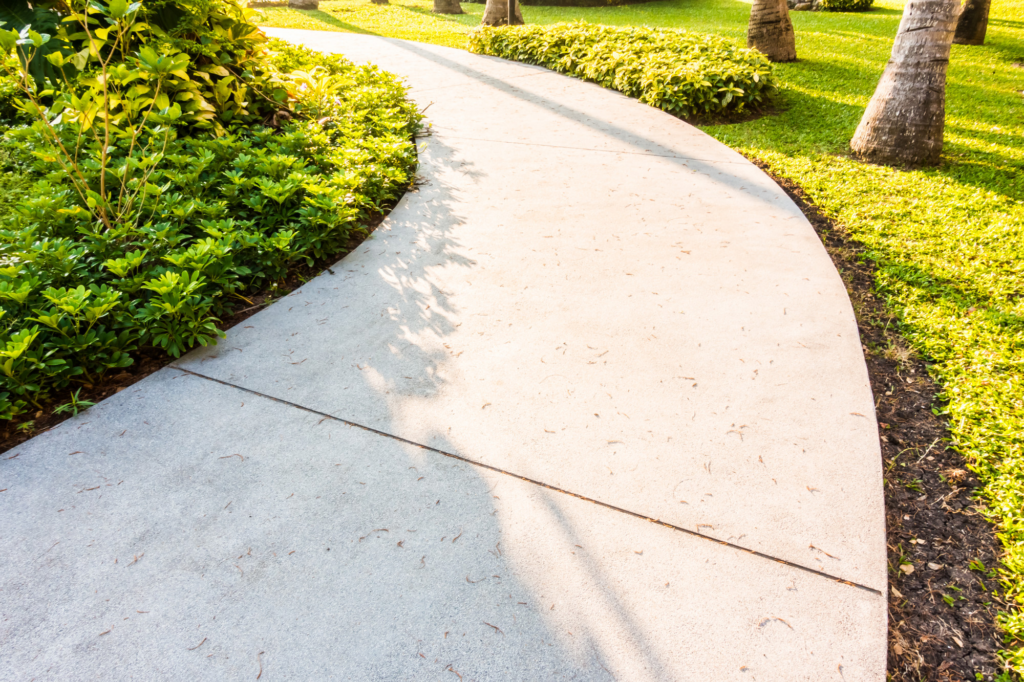 A concrete driveway is built to withstand years of daily use, but no driveway lasts forever. Constant vehicle traffic, changing weather conditions, moisture, and natural ground movement gradually weaken the concrete over time. While small cracks and minor surface damage can often be repaired, there comes a point when repairs are no longer enough. Knowing when to replace concrete driveway surfaces can help prevent safety hazards, reduce long-term maintenance costs, and improve your home’s curb appeal.
Many homeowners continue investing in temporary repairs without realizing that recurring problems often indicate a failing foundation beneath the concrete. If your driveway has become uneven, heavily cracked, or difficult to maintain, replacing it may be the most cost-effective long-term solution.
How Long Does a Concrete Driveway Last?
A professionally installed concrete driveway generally lasts between 25 and 40 years. Its lifespan depends on several factors, including the quality of installation, soil conditions, drainage, weather exposure, vehicle weight, and regular maintenance. Even with proper care, concrete naturally ages and begins to lose its structural strength over time.
As your driveway gets older, it’s important to watch for signs that indicate repairs may no longer solve the underlying issues.
Large Cracks Continue to Spread
Small hairline cracks are a normal part of concrete aging and usually don’t require major work. However, when cracks become wider, longer, or begin connecting across multiple sections, they often indicate structural failure beneath the surface.
If you’ve already completed cracked driveway repair several times but new cracks continue appearing, it’s likely that the base underneath the driveway has shifted or deteriorated. In these situations, patching the surface only hides the problem temporarily. Replacing the entire driveway addresses both the visible damage and the underlying cause.
Your Driveway Has Become Uneven
A level driveway is essential for both safety and proper drainage. When concrete begins sinking, lifting, or separating into uneven sections, it usually means the soil underneath is no longer providing adequate support.
Ground settlement, erosion, poor soil compaction, or expanding tree roots commonly cause these problems. Uneven surfaces create trip hazards and can damage vehicles while allowing water to collect in low spots. If multiple sections have shifted, replacing the driveway is generally more effective than repeated leveling repairs.
The Surface Is Peeling or Flaking
Concrete that begins flaking or peeling is experiencing a condition known as spalling. This often develops after years of exposure to moisture, freezing temperatures, de-icing chemicals, or poor installation practices.
Minor surface damage may be repaired through driveway resurfacing, but when large portions of the driveway are losing their top layer, the concrete itself has often weakened beyond repair. In these cases, replacement offers a longer-lasting solution.
Water Collects on the Driveway
Standing water should never remain on a properly installed driveway. If puddles continue forming after rain, the concrete has likely shifted or settled over time.
Poor drainage allows water to seep into cracks and joints, weakening the concrete and accelerating deterioration. During colder weather, trapped moisture can freeze and expand, creating even larger cracks. Replacing the driveway allows contractors to correct the slope and improve drainage while installing new concrete.
You’re Constantly Paying for Repairs
Many homeowners try to extend the life of an aging driveway through regular maintenance. While occasional repairs are perfectly normal, frequent spending on crack filling, resurfacing, patching, or leveling eventually becomes more expensive than installing a new driveway.
If repair costs continue increasing every year without improving the overall condition of the driveway, replacement becomes the smarter financial investment.
The Surface Has Worn Away
Years of exposure gradually wear down the concrete surface. You may notice rough textures, exposed aggregate, loose particles, or sections that appear significantly thinner than they once were.
This type of deterioration allows water to penetrate deeper into the concrete, leading to further cracking and structural damage. Once the surface has deteriorated extensively, repairs become less effective.
Deep Stains Affect the Appearance
Oil leaks, rust stains, tire marks, and chemical spills often become permanent as concrete ages. Older concrete becomes increasingly porous, allowing contaminants to penetrate deeper into the surface.
Although staining alone doesn’t always require replacement, it often accompanies other signs of deterioration. Installing a new driveway instantly improves curb appeal while providing a fresh, clean appearance.
Your Driveway Is More Than 30 Years Old
Concrete naturally weakens as it ages. Even if an older driveway appears functional, decades of exposure to weather and vehicle traffic reduce its structural integrity.
If your driveway is more than 30 years old and is showing multiple signs of damage such as cracking, uneven sections, or drainage issues, Eagle Exterior Contractors recommends that replacing it is often the most practical long-term solution.
Broken Edges Continue to Crumble
The edges of a driveway receive less structural support than the center and often begin deteriorating first. Heavy vehicles driving too close to the edges, soil erosion, and years of weather exposure can cause concrete to break away.
Once edge damage begins spreading throughout the driveway, replacement usually becomes more effective than repeated patch repairs.
Tree Roots Are Damaging the Concrete
Tree roots naturally seek moisture and can lift concrete slabs as they grow. This creates uneven surfaces, large cracks, and raised sections that continue worsening each year.
Repairing the concrete without addressing the root problem rarely provides a permanent solution. Replacing the driveway while managing root growth helps prevent future damage.
Expansion Joints No Longer Function
Expansion joints allow concrete to expand and contract as temperatures change. Over time, these joints may deteriorate, allowing water to enter beneath the driveway and weaken the foundation.
If several expansion joints have failed and cracks continue developing around them, replacing the driveway restores both structural integrity and proper movement control.
Poor Original Installation
Some driveways begin failing much earlier than expected because they were not installed correctly. Thin concrete, inadequate base preparation, poor drainage, or improper curing can all shorten the life of a driveway.
Rather than continuing to repair a poorly constructed driveway, replacement provides an opportunity to build a stronger foundation using modern installation techniques.
Repair or Replacement: Which Is the Better Option?
Not every damaged driveway requires complete replacement. Small cracks, isolated chips, and minor cosmetic wear can often be repaired successfully when the underlying concrete remains structurally sound.
However, if your driveway has widespread cracking, uneven slabs, drainage problems, recurring repairs, or structural deterioration affecting a large portion of the surface, replacing the driveway is usually the more economical and reliable solution.
Benefits of Replacing Your Concrete Driveway
Replacing an old driveway offers far more than cosmetic improvements. A new driveway creates a safer surface for vehicles and pedestrians while significantly enhancing your home’s overall appearance. It also improves drainage, reduces future maintenance costs, and increases property value.
Modern concrete installation methods produce stronger, longer-lasting driveways that require less maintenance and provide decades of dependable performance.
What to Expect During Replacement
Replacing a concrete driveway begins with removing the existing concrete and preparing a stable foundation. Contractors then compact the base, install reinforcement when necessary, pour fresh concrete, finish the surface, create control joints, and allow the driveway to cure properly before it can support vehicle traffic.
The quality of the base preparation is just as important as the concrete itself, making professional installation essential for long-term durability.
Conclusion
Knowing when to replace concrete driveway surfaces can save you from years of costly repairs and ongoing frustration. While minor damage can often be repaired, widespread cracks, sinking slabs, poor drainage, surface deterioration, and repeated maintenance expenses are all signs that replacement is the better investment. Contact us today to schedule a professional driveway assessment and learn whether concrete driveway repair or replacement is the best solution for your property.
A professionally installed concrete driveway provides improved safety, better curb appeal, increased property value, and reliable performance for decades. If your driveway is showing multiple warning signs, scheduling a professional inspection is the best way to determine whether replacement is the right solution.
Frequently Asked Questions
How can I tell if my concrete driveway needs replacement?
If your driveway has large cracks, uneven sections, drainage problems, severe surface deterioration, or requires frequent repairs, replacement is often the most practical solution.
Is cracked driveway repair always enough?
No. Minor cracks can usually be repaired, but recurring or structural cracks often indicate problems beneath the concrete that require complete replacement.
Can driveway resurfacing fix an old driveway?
Driveway resurfacing works only when the existing concrete remains structurally sound. If the foundation has shifted or the slabs are failing, resurfacing will not solve the underlying issue.
How long does a new concrete driveway last?
With professional installation and regular maintenance, a concrete driveway typically lasts between 25 and 40 years.
Does replacing a concrete driveway improve property value?
Yes. A new driveway enhances curb appeal, improves safety, and makes a property more attractive to potential buyers, which can positively impact resale value.
Related Posts