Deciding between pavers and stamped concrete? This guide answers: Are pavers better than stamped concrete? We compare cost, durability, and style. Get a...
Concrete vs Asphalt Driveways: Which Is Better for Wisconsin Homes?
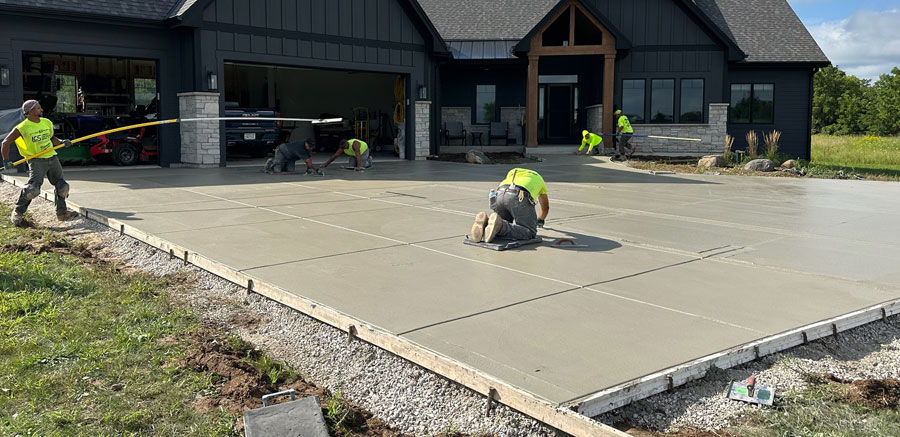 Choosing the right driveway material is an important decision for homeowners. A driveway needs to withstand daily vehicle traffic while also handling rain, snow, ice, temperature changes, and seasonal maintenance. Two of the most common options are concrete and asphalt. Both materials can create functional and attractive driveways, but they perform differently and have different installation, maintenance, appearance, and cost considerations.
For Wisconsin homeowners, the comparison becomes especially important because the driveway must handle freezing temperatures, snow, ice, freeze-thaw cycles, and winter road treatments. Understanding the differences can help you make a more informed decision before starting your driveway project.
Understanding Concrete Driveways
Concrete is a popular driveway material because of its strength, clean appearance, and design flexibility. A concrete driveway is created by preparing the site, establishing a suitable base, installing forms, placing the concrete, leveling and finishing the surface, and allowing it to cure properly.
Concrete can provide a clean, finished appearance that complements many different home styles. It can also be customized through different finishing techniques, colors, textures, and patterns. For homeowners who prioritize appearance and long-term performance, concrete can be an attractive option.
However, proper installation and preparation are essential. Even a high-quality concrete driveway can develop problems if the base is inadequate, drainage is poor, or the concrete is not properly placed and cured.
Understanding Asphalt Driveways
Asphalt is another widely used driveway material. It consists primarily of aggregate bound together with asphalt binder and is installed over a properly prepared base. One reason homeowners consider asphalt is its relatively straightforward installation process and generally lower initial cost compared with many concrete installations.
An asphalt driveway has a dark appearance that can complement a variety of properties. It can also provide a relatively smooth driving surface. However, asphalt requires ongoing maintenance to preserve its condition. Sealing and repairs may be necessary as the driveway ages. Like concrete, asphalt performance depends heavily on proper site preparation, drainage, installation quality, and maintenance.
Concrete vs Asphalt Driveway: Initial Cost
Initial cost is often one of the first factors homeowners consider. In many projects, asphalt has a lower upfront installation cost than concrete. However, the actual price depends on driveway size, site preparation, grading, removal of an existing driveway, drainage requirements, material availability, labor, and other project-specific factors.
Concrete can have a higher initial installation cost, particularly when homeowners choose decorative finishes or additional design features. It is important to compare complete project estimates rather than judging materials based solely on their base price. A less expensive installation may require more maintenance or earlier resurfacing, while a higher initial investment may provide different long-term benefits.
Understanding Asphalt Driveway Cost
Asphalt driveway cost can vary significantly from one property to another. The size and shape of the driveway are major considerations. A large or unusually shaped driveway may require more labor and material than a simple, straight driveway.
Site preparation can also affect the final cost. If the existing driveway needs to be removed or the ground requires grading and drainage improvements, these tasks can increase the project budget. The condition of the underlying soil and base is another important consideration.
Homeowners should ask contractors to provide detailed estimates that explain preparation, materials, installation, edging, drainage work, removal, and other applicable costs.
Concrete Driveway Durability
Concrete is known for its strength and durability when properly installed. A well-built concrete driveway can handle regular vehicle traffic and everyday residential use. Its performance depends on factors such as the concrete mix, thickness, reinforcement, base preparation, drainage, finishing, curing, and climate exposure.
Wisconsin homeowners should pay particular attention to installation practices designed to accommodate local weather conditions. Cracks can still develop, especially when the driveway experiences movement, moisture, or temperature changes. Proper joints and appropriate installation techniques can help manage normal movement.
Asphalt Driveway Durability
Asphalt can also provide a durable surface for residential driveways. Its flexibility can allow it to respond differently to movement and temperature changes compared with concrete. However, asphalt is not maintenance-free.
Regular care can help protect the surface from weather exposure, water penetration, and general deterioration. Asphalt may require periodic sealing, crack repairs, or resurfacing depending on its age and condition. The quality of the original installation remains important. A driveway with inadequate base preparation may experience problems regardless of the material selected.
Repairing Concrete Driveways
Concrete repairs depend on the type and severity of the damage. Small cracks may sometimes be repairable, while larger cracks, significant settlement, extensive surface deterioration, or structural problems may require more extensive work.
Repairs should address the underlying cause whenever possible. For example, if water drainage or soil movement is contributing to driveway problems, simply filling a crack may not resolve the larger issue. Regular inspection can help homeowners identify problems before they become more extensive.
Repairing Asphalt Driveways
Asphalt repairs can include crack filling, patching, resurfacing, or other treatments depending on the condition of the driveway. Crack repair can help limit water penetration and slow further deterioration. Asphalt sealing can also provide an additional layer of protection and help maintain the surface’s appearance.
However, maintenance treatments cannot correct major structural problems. If the base has failed or the driveway has extensive deterioration, replacement or significant rehabilitation may be necessary.
Appearance and Curb Appeal
Appearance is another area where concrete and asphalt differ. Concrete generally offers a lighter, cleaner appearance and can be customized in various ways. Homeowners may choose different textures, patterns, or colors depending on their design preferences.
The right choice often comes down to the architectural style of the home and the homeowner’s personal preferences. If curb appeal is a major consideration, homeowners should think about how the driveway will coordinate with the home’s exterior, landscaping, walkways, and other hardscape features.
Concrete vs Asphalt for Snow Removal
Wisconsin homeowners also need to consider winter maintenance. Snow shoveling and snow plowing can affect driveway surfaces, particularly when improper equipment or techniques are used.
Both concrete and asphalt driveways can be cleared of snow, but homeowners should use appropriate tools and practices to avoid unnecessary surface damage. Salt and other deicing products can also affect driveway surfaces over time. Homeowners should follow appropriate winter maintenance practices and consider the recommendations associated with their selected material.
Good drainage is important during snowmelt as well. Meltwater should have a suitable path away from the driveway and surrounding structures.
Driveway Installation and Site Preparation
The material is only part of a successful driveway project. Site preparation is one of the most important stages of installation. At Eagle Exterior Contractors, we understand that the contractor may need to remove an existing surface, grade the site, establish a stable base, address drainage, and prepare the area for the selected material.
If the underlying base is weak or drainage is poor, problems may develop even when high-quality concrete or asphalt is used. Homeowners should therefore ask contractors how the site will be prepared rather than focusing exclusively on the surface material.
Drainage Considerations
Water is one of the biggest concerns for driveway longevity. Poor drainage can allow water to collect around or underneath the driveway. In Wisconsin, this can become particularly problematic when temperatures fluctuate between freezing and thawing.
The driveway should be designed with appropriate slope and drainage considerations. Depending on the property, additional drainage solutions may be necessary. Homeowners should discuss water flow, downspouts, grading, nearby landscaping, and existing drainage conditions during the planning stage.
Lifespan and Long-Term Value
Homeowners often compare materials based on how long they expect the driveway to last. Actual service life varies based on installation quality, climate, traffic, maintenance, drainage, material quality, and other conditions.
A driveway that is properly designed and maintained can generally perform better than one installed without adequate preparation. Long-term value should therefore be evaluated by considering both the initial investment and ongoing maintenance requirements.
Instead of asking only which material is cheaper, homeowners should consider the total cost of ownership and the performance they expect from the driveway.
Which Driveway Is Better for Your Home?
Concrete may be a strong choice for homeowners who prioritize appearance, customization, and a substantial finished surface. It can provide a clean look and offers more decorative options.
Asphalt may appeal to homeowners who prioritize a lower initial installation cost and a traditional dark surface. Neither material is automatically the best choice for every Wisconsin property.
The right decision depends on your property’s conditions, budget, desired appearance, maintenance expectations, and long-term plans.
Final Thoughts
When comparing a concrete vs asphalt driveway, Wisconsin homeowners should look beyond the initial installation price. Concrete can provide a durable, attractive, and highly customizable surface, while asphalt can offer a practical option with a lower initial investment in many situations.
Both materials can perform well when properly designed, installed, and maintained. Wisconsin’s freeze-thaw cycles, winter weather, drainage conditions, and snow removal practices should all be considered before making a decision.
A thorough driveway materials comparison should include installation costs, maintenance, appearance, durability, repairs, weather performance, and long-term value. The best driveway is ultimately the one that matches the property’s conditions and the homeowner’s priorities. Contact us today to discuss your driveway project and explore material options that suit your property’s conditions, maintenance needs, and long-term priorities.
Frequently Asked Questions
Is concrete or asphalt better for Wisconsin?
Both concrete and asphalt can be suitable for Wisconsin homes. Proper site preparation, drainage, installation, and maintenance are important because both materials must withstand freezing temperatures and freeze-thaw cycles.
Is asphalt cheaper than concrete?
Asphalt often has a lower initial installation cost than concrete, but actual pricing depends on the size of the driveway, site preparation, material requirements, labor, removal, and other project factors.
Which driveway requires more maintenance?
Asphalt generally requires more routine maintenance, including periodic sealing and crack repair. Concrete also requires maintenance, but the specific requirements depend on the installation and condition of the surface.
Does concrete last longer than asphalt?
The lifespan of either material depends on installation quality, drainage, climate, traffic, maintenance, and other factors. A properly installed and maintained driveway can perform well over many years.
Is asphalt a good choice for Wisconsin winters?
Asphalt can be suitable for Wisconsin’s climate when properly installed and maintained. Drainage, base preparation, crack maintenance, and winter care are important factors in its performance.
Related Posts