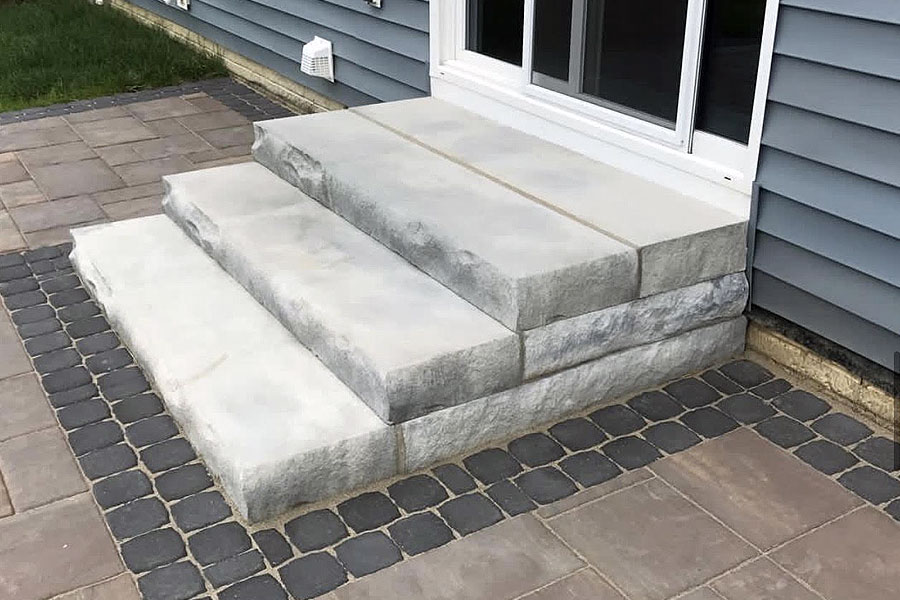
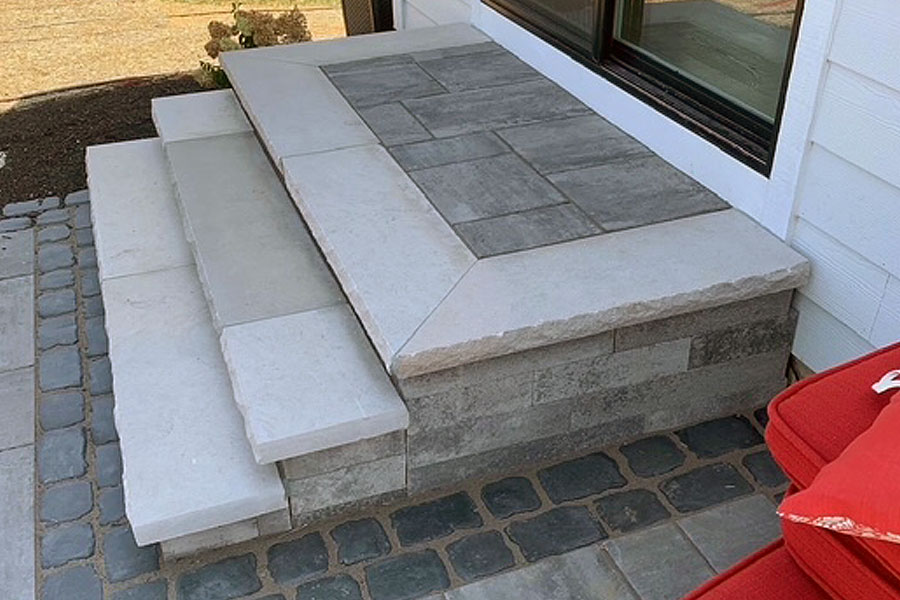
Deciding between pavers and stamped concrete? This guide answers: Are pavers better than stamped concrete? We compare cost, durability, and style. Get a...
Concrete Contractor in Waukesha: What to Look For Before Hiring
 Concrete projects are often significant investments for homeowners. Whether you need a new driveway, replacement concrete, a patio, walkway, or repairs, the quality of the installation can affect how the finished surface looks and performs for years.
Searching for a concrete contractor Waukesha homeowners can rely on is about more than finding the lowest estimate. A qualified contractor should understand local conditions, prepare the site correctly, use appropriate materials, communicate clearly, and provide a realistic plan for completing the project.
Wisconsin weather makes proper concrete installation particularly important. Seasonal temperature changes, moisture, freezing conditions, and freeze-thaw cycles can place stress on outdoor concrete. Choosing a contractor who understands these conditions can help homeowners make a more informed decision.
Start With the Contractor’s Experience
One of the first things to evaluate is the contractor’s experience with projects similar to yours. A contractor who regularly handles residential driveways may have different experience from one who primarily works on foundations, commercial slabs, or decorative concrete.
Ask how long the contractor has been completing concrete projects and what types of residential work they commonly perform. If your project involves a driveway, for example, look for experience with driveway preparation, concrete placement, finishing, joints, drainage, and replacement work. At Eagle Exterior Contractors, we understand the importance of experience and proper preparation when completing residential concrete projects.
Relevant experience matters because different concrete applications have different requirements. A contractor should be able to explain the process in terms that make sense for your specific project.
Look for a Local Concrete Company
Working with a local concrete company can offer advantages when planning a residential project in Waukesha. A local contractor is more likely to understand the area’s climate, common soil conditions, permitting considerations, and seasonal construction challenges.
Local experience can also make communication easier throughout the project. Homeowners can ask about previous work in the area and request examples of similar projects.
However, being local alone does not guarantee quality. Homeowners should still evaluate experience, reputation, project planning, communication, and the details included in the estimate.
Understand What the Estimate Includes
A detailed estimate is an important part of choosing a concrete contractor. Homeowners should understand exactly what is included before comparing prices. The estimate should clearly describe the planned work, materials, preparation, removal of existing concrete if applicable, finishing, cleanup, and other project-related costs.
A very low estimate may not necessarily represent a better value. Sometimes differences in price result from differences in site preparation, concrete specifications, reinforcement, thickness, finishing, or disposal. Rather than choosing solely based on the lowest number, compare what each contractor is actually providing.
Consider Drainage and Water Management
Water can create problems for outdoor concrete when drainage is not properly considered. Water may collect near the slab, flow toward a structure, or contribute to soil movement beneath the concrete. A contractor should evaluate the property’s existing grade and drainage conditions before installation.
For driveways and other exterior surfaces, proper slope can help direct water away from buildings and reduce standing water. Drainage should be part of the planning process rather than something considered after the concrete has already been installed.
Ask About Concrete Thickness and Reinforcement
The appropriate concrete thickness depends on the intended use and project conditions. A residential walkway does not necessarily have the same requirements as a driveway that will regularly support vehicles. Homeowners should ask what thickness the contractor recommends and why.
Depending on the project, reinforcement may also be considered. The contractor should explain whether reinforcement is appropriate for the application and what role it will play in the finished concrete system. Understanding these details can help homeowners compare estimates more accurately.
Hiring a Concrete Driveway Contractor
Driveways are among the most common residential concrete projects, but they also require careful planning because they experience repeated vehicle loads and outdoor exposure. When choosing a concrete driveway contractor, ask about experience with driveway installations and replacements specifically.
The contractor should evaluate the existing driveway, surrounding grade, drainage, soil conditions, access, and the condition of the base before recommending a solution. For a new driveway, the contractor should also discuss layout, dimensions, finishing options, joints, and curing.
When Concrete Driveway Replacement Makes Sense
Not every damaged driveway needs to be completely replaced. Some problems may be addressed through repairs, depending on the severity and extent of the damage. However, widespread cracking, significant settlement, severe deterioration, drainage problems, or a failing base may make concrete driveway replacement a more practical long-term option.
A contractor should evaluate the condition of the existing driveway before recommending replacement. Homeowners should be cautious of contractors who immediately recommend complete replacement without explaining what is causing the damage and whether repair is a realistic alternative.
Repair vs. Replacement
The right choice between repair and replacement depends on the condition of the concrete. Small, isolated cracks or limited surface damage may sometimes be repairable. More extensive deterioration may indicate problems beneath the surface.
If sections of a driveway have settled significantly or the underlying base is unstable, repairing only the visible surface may not address the root cause. A qualified contractor should explain the available options and the expected results of each approach.
Ask About Materials
Concrete is not simply one standard product. Different projects can have different material requirements depending on use, exposure, climate, and design. Ask the contractor what concrete specification is recommended for your project and whether there are considerations related to outdoor exposure and Wisconsin weather.
The contractor should be able to explain material choices without using unnecessary technical language. Understanding what is being installed can also help homeowners compare proposals from different contractors.
Evaluate the Finishing Options
Concrete can have several finishing options depending on the desired appearance and application. A standard smooth or broom finish may be appropriate for many residential exterior surfaces. Other projects may use decorative finishes, stamped patterns, or different textures.
For a driveway, homeowners should consider both appearance and practicality. The finish should provide an appropriate surface for everyday use and maintenance. Ask the contractor which finishes are suitable for the specific project and how each option may affect the overall cost.
Ask About Joints and Crack Control
Concrete naturally changes slightly as temperature and moisture conditions change. Properly planned joints can help manage where cracking occurs. A contractor should explain how joints will be incorporated into the project and where they will be placed.
The layout of joints can be especially important for larger concrete surfaces such as driveways and patios. Understanding this part of the installation process can help homeowners recognize why proper planning matters even when the finished surface appears simple.
Understand the Installation Timeline
Concrete projects require planning around weather, preparation, placement, finishing, and curing. Ask the contractor when the project can begin, how long preparation is expected to take, and what factors could affect the schedule.
Wisconsin’s seasonal weather can influence exterior concrete work. Temperature and precipitation conditions may affect when concrete can be placed and how the project is managed. A reliable contractor should provide a realistic timeline rather than promising an exact completion date without considering weather and site conditions.
What a Good Concrete Contractor Should Provide
A professional contractor should provide a clear scope of work and realistic expectations. The proposal should make it easier for the homeowner to understand what will happen from preparation through completion. It should also identify major costs and explain any important conditions or exclusions.
A strong contractor relationship should not end when the concrete is poured. Homeowners should also receive information about curing, maintenance, and what to expect from the finished surface.
Final Thoughts
Hiring the right concrete contractor can have a major impact on the quality and longevity of a residential concrete project. Whether you need repairs, a new driveway, a patio, or concrete driveway replacement, the installation process should be carefully planned from the beginning.
Homeowners in Waukesha should evaluate local experience, previous work, site preparation, drainage, materials, estimates, warranties, and communication before making a decision.
The goal should not simply be to find a contractor who offers a competitive price. It should be to find a qualified professional who understands the project, explains the work clearly, and provides a realistic plan for completing it properly. Contact us today to discuss your concrete project and learn how our experienced team can help you develop a clear and realistic plan for the work.
Frequently Asked Questions
How do I choose a concrete contractor in Waukesha?
Look for a contractor with relevant residential experience, a strong local reputation, detailed estimates, appropriate insurance, clear communication, and experience with projects similar to yours.
How much does a concrete driveway replacement cost?
The cost of concrete driveway replacement depends on the driveway’s size, existing concrete removal, site preparation, base condition, concrete specifications, reinforcement, finishing, accessibility, and other project requirements. A detailed estimate is the best way to determine the expected cost.
Should I repair or replace my concrete driveway?
It depends on the extent and cause of the damage. Limited damage may be repairable, while widespread cracking, settlement, deterioration, or base problems may make replacement a more suitable option.
What should a concrete driveway contractor include in an estimate?
An estimate should clearly explain the scope of work, preparation, removal if needed, materials, installation, finishing, cleanup, and other applicable project costs. Ask about any exclusions before accepting the proposal.
Why is site preparation important for concrete?
Proper site preparation creates a stable foundation for the concrete. Excavation, grading, compaction, and base preparation can all influence how the finished surface performs over time.
Related Posts